
Risk is built into oil and gas operations. The geography is remote, the regulatory environment is demanding, the markets are volatile, and the consequences of getting things wrong — a spill, a compliance failure, a budget overrun — are measured in millions.
What separates well-run operators from struggling ones is not the absence of risk. It is the ability to see it coming, measure it accurately, and respond before it becomes a crisis. This guide covers the five biggest risks facing oil and gas companies and the operational strategies used to manage each one.
The Five Biggest Risks in Oil and Gas
1. Cost Overrun
Unexpected costs are one of the most consistent threats to profitability in oil and gas. Material price volatility, labor availability constraints, and commodity price swings can all shift a project's financial picture quickly. According to industry data, nine out of ten field projects exceed their original budget at some point during execution.
Managing cost overrun risk starts with visibility. When project managers have a real-time view of spending against budget, they can identify variances early — while there is still room to make decisions — rather than discovering overruns after the fact.
Key practices for controlling cost overrun risk:
- Granular budget tracking at the project and line-item level, so fluctuations in labor, materials, or equipment are visible as they occur rather than at month-end
- Integration between field activity data and financial systems, eliminating the lag that occurs when costs are manually entered after work is completed
- Clear scope documentation that makes it easier to identify when project changes are driving cost increases, and when market factors are the cause
Real-time field project budget tracking is the operational foundation for cost overrun prevention. For teams managing multi-well programs or large pipeline portfolios, understanding the root causes of budget overruns before they escalate is a critical competitive advantage.
2. Environmental Liability
Environmental liabilities represent both financial risk and reputational risk. Spills, emissions violations, habitat disruption, and failure to meet remediation obligations attract regulatory scrutiny, legal action, and community opposition.
Non-compliance with EPA regulations carries significant financial consequences. Methane emission violations, for example, currently carry fines starting at $900 per metric ton and rising to $1,500 per metric ton by 2026. Beyond direct fines, data from industry research suggests non-compliance costs average $14.82 million compared to $5.47 million for companies that maintain compliance.
Effective environmental liability management requires:
- Systematic tracking of ongoing compliance tasks: routine reporting, field data collection, and inspection schedules
- Accurate GIS mapping of all sites so that in the event of an environmental incident, response teams have immediate geospatial context to understand scope and plan action
- Investment in reclamation and remediation project management to address existing liabilities before they grow
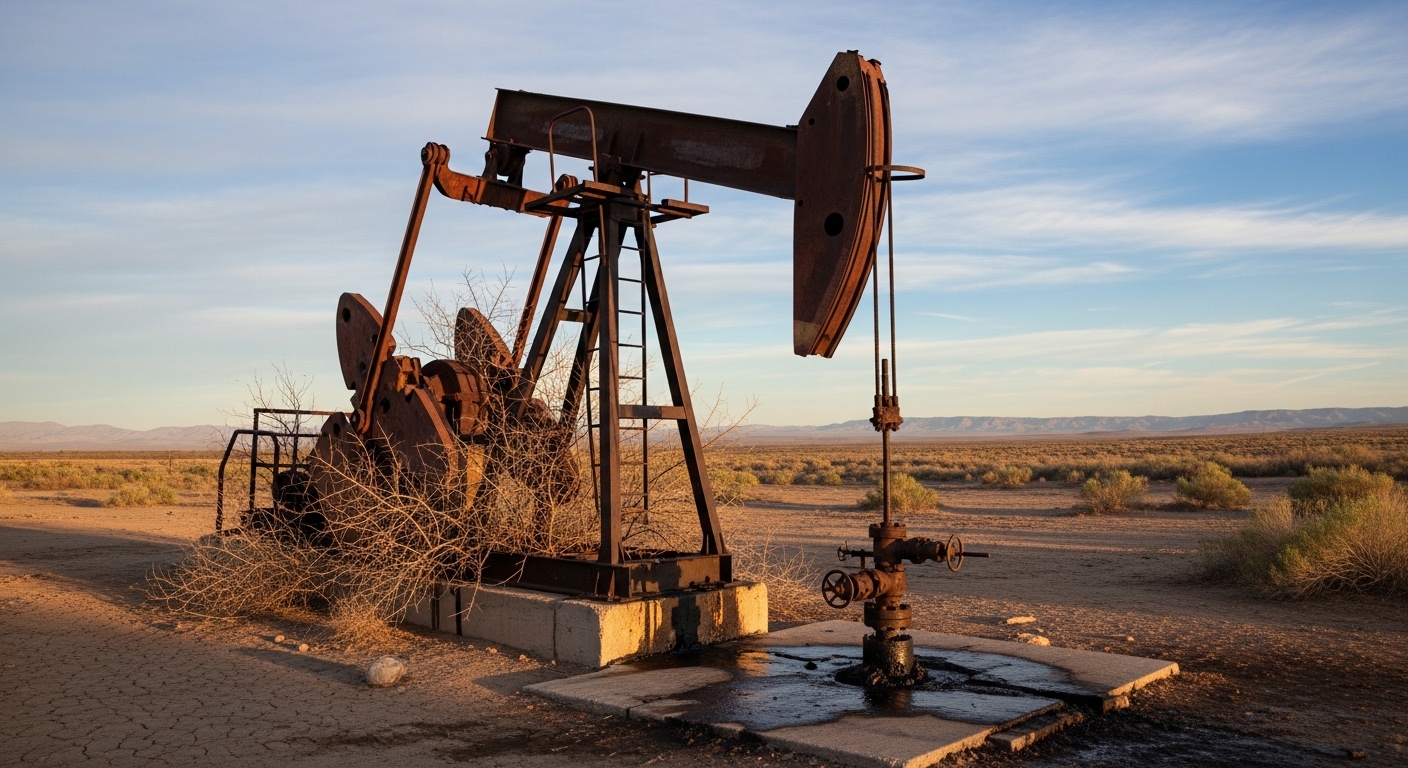
For well abandonment programs specifically, managing the assessment and completion of abandonments remotely and systematically reduces the environmental liability footprint of aging well stock.
See also: How Technology Can Ensure Transparency in Oil and Gas for a detailed look at how data integrity failures create environmental and legal exposure.
3. Political Risk
The oil and gas industry operates across jurisdictions with very different regulatory regimes, political stability profiles, and attitudes toward fossil fuel development. Sudden changes in the political landscape can affect project economics, permit approvals, and a company's ability to operate in a given region entirely.
In the US context, the current administration has reversed EPA methane fees and is fast-tracking LNG export approvals, reducing full environmental reviews from two years to approximately 28 days. In Canada, new projects place up to 30% of oil and gas value at risk under accelerated energy transition scenarios. In Europe, regulatory pressure around emissions continues to tighten.
Companies cannot control political outcomes, but they can control their preparedness:
- Maintaining clear documentation of all projects across different political jurisdictions, so teams can respond quickly to regulatory changes without scrambling for records
- Building flexible workflows that allow project parameters to be updated when permit conditions, environmental requirements, or operational rules change
- Using multi-site project management tools that provide a unified view across geopolitical borders, so leadership can assess exposure across the full portfolio at any time
4. Regulatory Risk
Oil and gas regulation is not static. The EPA's 2024 methane rules, the Energy Permitting Reform Act, state-level emissions programs, and the ongoing evolution of PHMSA pipeline integrity requirements all create a compliance environment that demands continuous attention.
The operational challenge is keeping compliance workflows current without creating an unsustainable administrative burden. Forty percent of industry leaders still rely on subjective judgment for compliance decisions, increasing the risk of gaps as regulations become more precise.
Practices that reduce regulatory risk include:
- Automating recurring compliance tasks — inspections, reporting deadlines, permit renewals — so requirements are met on schedule without relying on individual memory
- Linking regulatory documentation directly to project records, so the most current guidelines are always attached to the relevant activity
- Maintaining audit-ready records with full chain of custody, timestamps, and user attribution, meeting standards including 49 CFR 192 and 195
- Deploying real-time monitoring and validation tools that flag data anomalies before they become compliance issues
Accurate and timely oil and gas compliance reporting is the practical expression of regulatory risk management. GIS-based tools that integrate location data with compliance workflows have been shown to reduce compliance tasks by up to 25% and improve data accuracy across field operations.
5. Operational Risk
Operational risk is the broadest category and the hardest to isolate. It encompasses the combined effect of regulatory complexity, labor availability, market volatility, asset condition, and the environmental footprint of both current and legacy operations.
Modern operational risk management draws on a connected approach: instead of treating individual risk categories in isolation, leading operators link operational, safety, compliance, and data risks into a single monitoring framework. This allows risks to be spotted earlier — before they cascade into larger incidents — and gives leadership the visibility to act proactively rather than reactively.
Operational risk management in practice includes:
- Real-time dashboards that surface project status, budget variance, safety incidents, and compliance deadlines in a single view
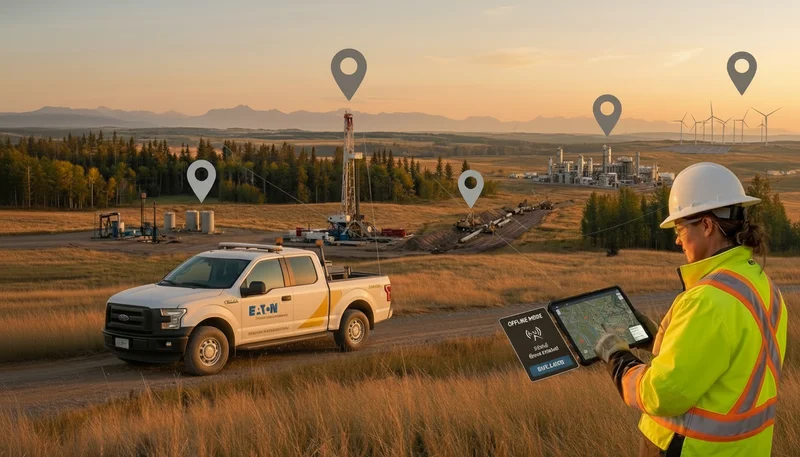
- GIS-integrated field operations so that every asset, inspection, and activity is anchored to its precise geographic location
- Mobile tools that keep field teams connected to current project data, safety protocols, and reporting requirements — even in areas without cell coverage
- Systematic inspection records and maintenance schedules that surface equipment issues before they become failures or spills
AI-driven tools are increasingly part of this picture, with leading operators using AI to analyze emissions data across large site networks, automate compliance reporting, and predict maintenance needs from historical sensor data.
Building a Risk Management Culture
Technology is only one part of the equation. The organizations that manage oil and gas risk most effectively are those that treat risk management as an ongoing operational practice rather than a periodic compliance exercise.
That means:
- Conducting regular risk assessments at the site level, not just at the corporate level, using tools like Hazard Identification (HAZID) studies and Failure Modes and Effects Analysis (FMEA)
- Establishing clear internal protocols for data collection, incident reporting, and escalation, with defined roles and approval processes
- Running regular internal and external audits to identify compliance gaps before they become regulatory problems
- Training field crews on regulatory requirements and the real-world consequences of data errors or missed submissions
- Building relationships with regulatory agencies so that when requirements change, companies are part of the conversation rather than reacting to it
A culture of safety and compliance is not built through annual training sessions. It is built through consistent systems: tools that make compliance easy, workflows that make data accurate, and visibility that makes problems visible early.
The Role of Field Operations Software
The common thread across all five risk categories is information. Cost overruns surface when budget data is late or fragmented. Environmental liabilities grow when inspection records are incomplete. Regulatory violations occur when compliance deadlines fall through the cracks. Political risks become crises when teams cannot quickly access project documentation across jurisdictions.
Field service management software addresses this by centralizing data, automating compliance workflows, and giving operators a real-time view of every project, budget, and field activity in a single platform. Combined with
GIS visualization, it anchors operational data to geographic context — which is where oil and gas risk ultimately lives.
For environmental services teams managing remediation, reclamation, and ongoing compliance work alongside production operations, an integrated platform also brings those workflows into the same system, reducing the chance that an environmental liability falls outside the normal project management process.
See how Matidor helps oil and gas operators manage risk across budgets, compliance, and field operations. Explore the Platform
.webp)
.webp)
.webp)
.webp)
.webp)
.webp)
.webp)
.webp)
.webp)
.webp)

.webp)
.webp)
.webp)
.webp)
.webp)
.webp)
%20(2).webp)
.webp)
.webp)
.webp)

















.webp)

.webp)

.jpg)

%20(1).webp)




.jpg)

.jpg)
.jpg)
.jpg)


.jpg)