
How Surge Energy Manages Their ARO Portfolio With Matidor
Company: Surge Energy Inc.
Industry: Oil and Gas, Asset Retirement, Remediation and Reclamation
Contact: Asset Retirement Team
Location: Calgary, Alberta, Canada
See how Matidor works for oil and gas asset retirement teams.



The Company
Surge Energy Inc. (TSX: SGY) is a Calgary-based oil-focused exploration and production company with operations across some of Canada's top conventional oil plays, including the Sparky and Southeast Saskatchewan areas.
Overseeing that closure portfolio is Asset Retirement Team. They are responsible for tracking site inventory, managing the stages of closure across multiple geographic areas, coordinating external vendors, and maintaining accurate cost and progress data for reporting and forecasting.


The Challenge
Before implementing Matidor, Surge Energy managed its asset retirement program using a combination of spreadsheets and existing software tools that supported their operations. As activity expanded across a large number of sites at various stages of closure, the team identified an opportunity to further elevate how they visualized, coordinated, and optimized their work.
Day-to-day operations highlighted areas where greater integration and visibility could unlock additional value:
- Teams worked across multiple data sources, creating opportunities to further align information and reduce duplication.
- Site assessments required drawing from various inputs, presenting a chance to streamline access to consistent, reliable baseline data.
- Sites were often reviewed individually, opening the door to a more geographically connected approach that could enhance sequencing and efficiency.
- Planning lacked a unified spatial view, limiting the ability to fully account for access constraints, travel distances, and overlapping activities in a single workflow.
For a team managing a dynamic portfolio of assets, bringing this information together visually represented a significant opportunity. A more connected, map-based perspective would enable smarter sequencing, improved vendor coordination, and clearer insight into where efforts could deliver the greatest impact.
Why Matidor
Matidor's GIS-native design matched how the Asset Retirement team needed to think about the work: geographically. The ability to split sites into portfolios by area, link AFEs to individual locations, track closure stages visually, and coordinate vendors within a single platform addressed the core gaps left by spreadsheets and legacy software.
Asset Retirement TeamSurge Energy Inc.
Matidor's features mapped directly to Surge's needs:

Real-time cost tracking

Centralized project visibility

GIS site mapping

Consultant coordination

Reporting
The Solution in Action
Portfolio Organization by Area and Project Type
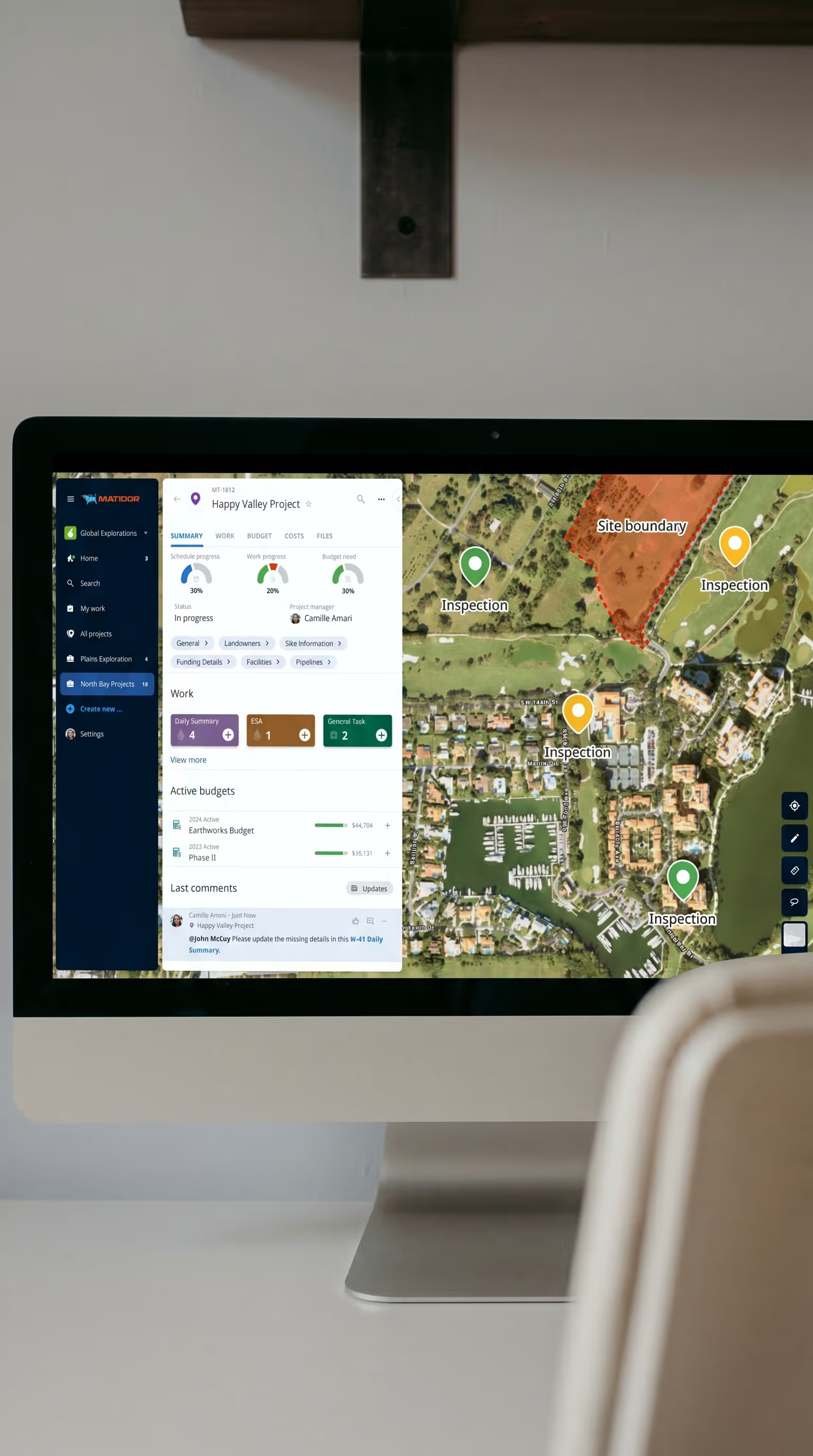
Surge Energy organized its full site inventory inside Matidor, splitting locations into portfolios by geographic area as well as special project categories. This structure gave the team a consistent, queryable view of the entire closure program.

Map-Based Planning and Sequencing
The shift from spreadsheet rows to a live map fundamentally changed how Surge's team plans and sequences closure work. Rather than treating sites as isolated entries, the team can now see how locations relate to each other geographically, identify access constraints, and understand where overlapping activities could create inefficiencies or conflicts before work begins.
How Geographic Visibility Changed the Order of Work
One concrete example illustrated the impact clearly. When managing a group of sites in the same geographic area at different stages of closure, Matidor's map view allowed the team to visualize site layout and access together, plan the order of work more efficiently, and ensure activities were completed in the right sequence to minimize disruptions.


Budget and Cost Control
Surge Energy links AFEs to individual sites and activities within Matidor, associating costs with specific stages of work. This structure enables the team to monitor spend against each phase of closure and use that data to support forecasting.
Vendor Coordination and Communication
One of the measurable improvements the team highlighted was the improvement in vendor coordination. With all site data, status, and task information centralized in Matidor, the back-and-forth between Surge's internal team and external vendors became significantly more efficient, reducing the administrative burden that had previously consumed significant time.

Results and Impact
Results and Impact

Real-Time Visibility, Less Admin, Better Decisions
The operational shift was clear and team-wide. Project coordination became more streamlined, site status became accessible in real time, and the ability to plan work spatially unlocked efficiencies that were simply not possible when sites existed only as rows in a spreadsheet.
Related Customer Stories


About Matidor
Track every project, dollar, and site in real time. Book a Demo