How Bowron Environmental Group Scaled Field Operations With a Standardized, Real Time Project System
Company: Bowron Environmental Group Ltd.
Industry: Environmental Consulting, Contamination Assessment, Site Closure and Liability Management
Contact: Laura Jardin, Intermediate Environmental Scientist
Location: Calgary, Alberta, Canada
See how Matidor works for environmental consulting and site closure teams.



The Company
Bowron Environmental Group Ltd. is a Canadian owned environmental consulting firm headquartered in Calgary, Alberta. The company provides environmental compliance, contamination assessment, site closure, and liability management services for energy, mining, and civil infrastructure clients across the Western Canadian Sedimentary Basin.
Overseeing day to day project operations is Laura Jardin, Intermediate Environmental Scientist. Her team maintains rigorous field standards across multi-site programs, and as project volume grew, they looked for a way to scale that same standard of work more efficiently across a larger portfolio.


The Challenge
Bowron's team has always maintained high standards for field data quality, budget accountability, and client reporting. Before Matidor, that work was managed through a combination of spreadsheets and email, tools that had served the team well at a smaller scale but required significant manual effort to sustain as the number of active projects grew.
As the team took on more concurrent programs, a few operational realities became clear:
- Field data was collected in a range of formats, including hand drawn sketches, handwritten borehole logs, and GPS files, each requiring manual compilation into a consistent record.
- Spatial validation relied on manual cross checking, since without a live geospatial view, confirming sample locations and lease boundaries against the plan took additional time.
- Budget reconciliation happened on a cycle rather than continuously, so the team wanted faster visibility into cost trends as volume increased.
- Coordination between office and field relied on email and verbal updates, which worked well but added administrative overhead as the number of active sites grew.
Bowron wasn't looking to fix a quality problem. The team needed a platform that could preserve its existing standard of rigor while removing the manual overhead that came with scaling that standard across a larger, more complex portfolio.
Why Matidor
Matidor's GIS native design matched how Laura's team already thought about the work: geographically and with attention to detail. The ability to define lease boundaries, log sample points on a live map, validate incoming field data against expected locations, and manage budgets and workflows within the same platform let the team apply its existing standards more efficiently at scale.
Laura JardinIntermediate Environmental Scientist, Bowron Environmental Group
Matidor's features mapped directly to Bowron's needs:

Real time field visibility

Standardized spatial data

Budget and cost tracking

Field ready forms and workflows

Reporting and dashboards
The Solution in Action
Standardized Project Workflows by Scope Type
Bowron uses Matidor as the operational backbone across active field programs, with every project tracked in the platform. Work progress, field notes, costs, and budgets are centralized by project type and scope, giving the team one queryable view of all work in progress.
Laura's team built a linked workflow where forms move sequentially through each project phase. A planning form captures the initial workplan, a field scope of work form with required fields records execution, and office and reporting scopes follow to close out documentation.
This structure has improved scope ownership, reduced email volume, and made it easier to answer client questions quickly because all relevant data lives in one place.

Map-Based Planning and Real Time Spatial Validation
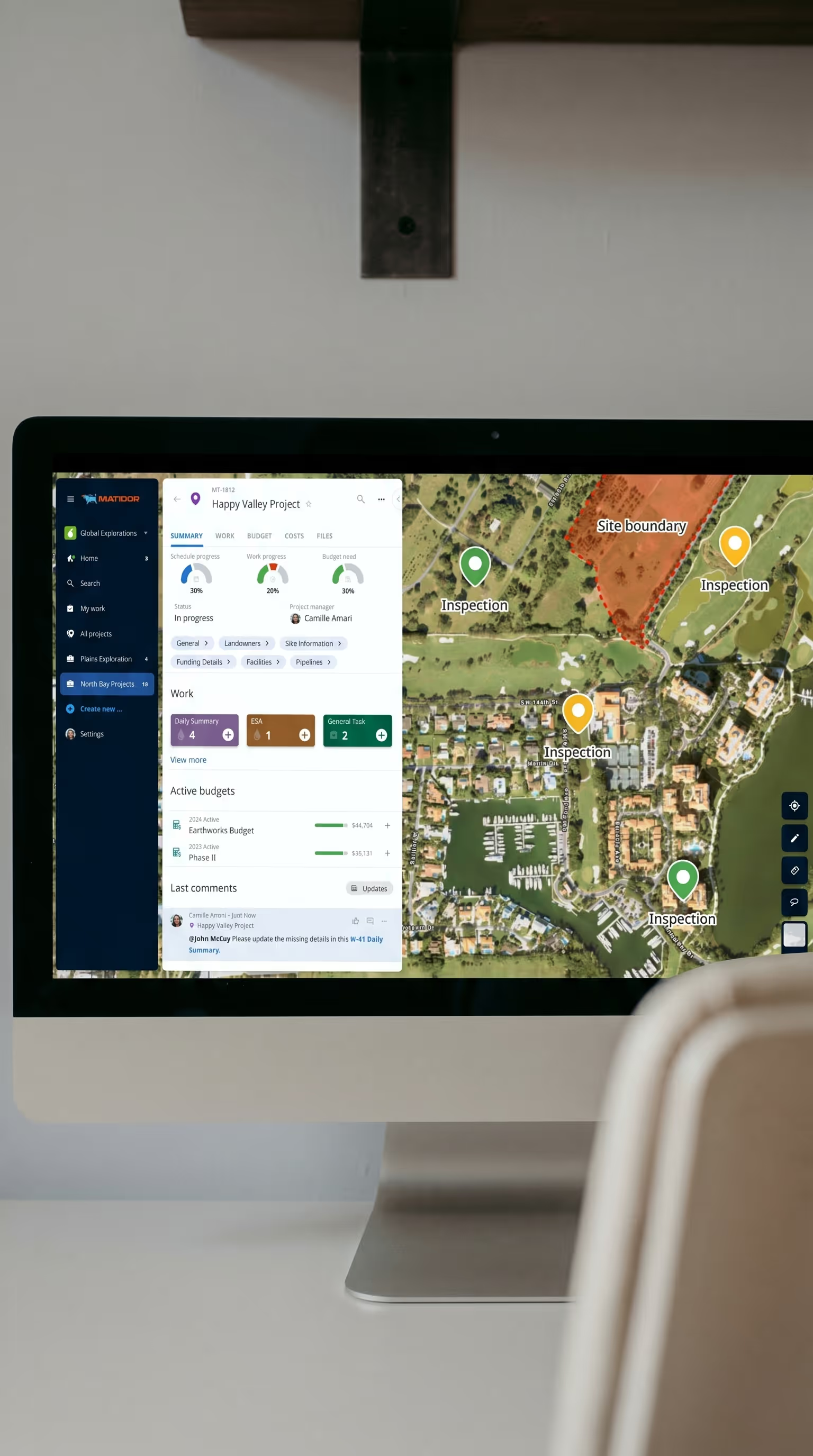
The shift to a live map changed how efficiently Bowron's team confirms and documents spatial data it was already collecting carefully. Field staff draw polygons, add annotations, and log sample points directly on the map. Lease boundaries are clearly defined, which keeps field activity within the correct site extents and speeds up the confirmation process that the team previously handled through manual cross referencing.
How Geospatial Visibility Changed Field Execution
One example illustrates the impact clearly. On a project with between three hundred and five hundred sample points, Matidor's map view was essential for managing execution at scale. Field technicians could see which points had already been sampled and which remained, which helped the team maintain its accuracy standards more efficiently as the sample count grew. Live data uploads and georeferenced photos gave project managers precise, up to date visibility into site conditions while work was underway.

Budget and Cost Control
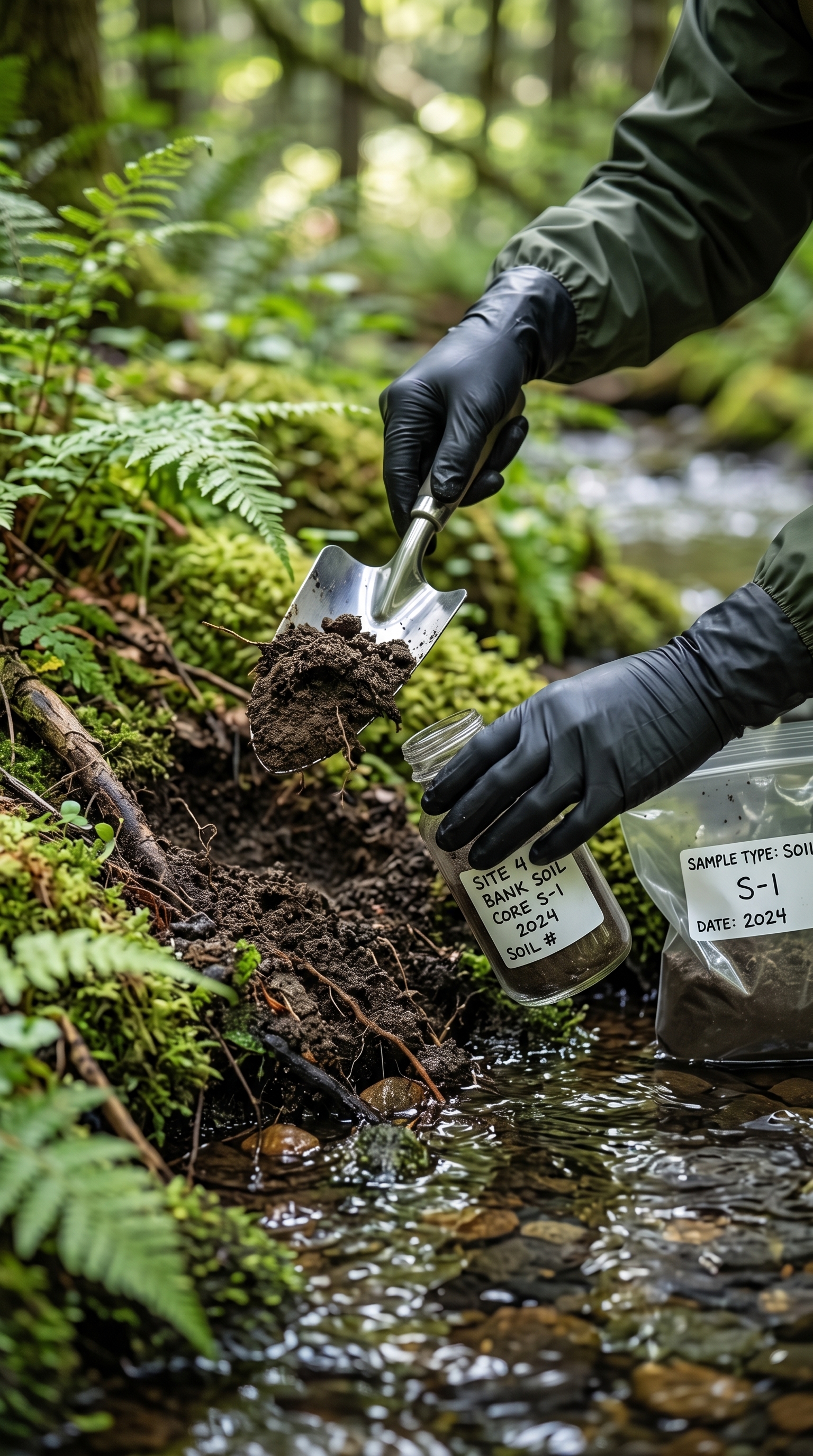
Bowron runs budget and cost control through Matidor as a single source of truth. Field personnel enter costs daily, office staff log time, and all entries are consolidated within the platform. With multiple budget scopes running simultaneously, descriptive cost entries by project type give the team continuous visibility into spend rather than periodic snapshots.
Field Operations and Mobile Data Capture
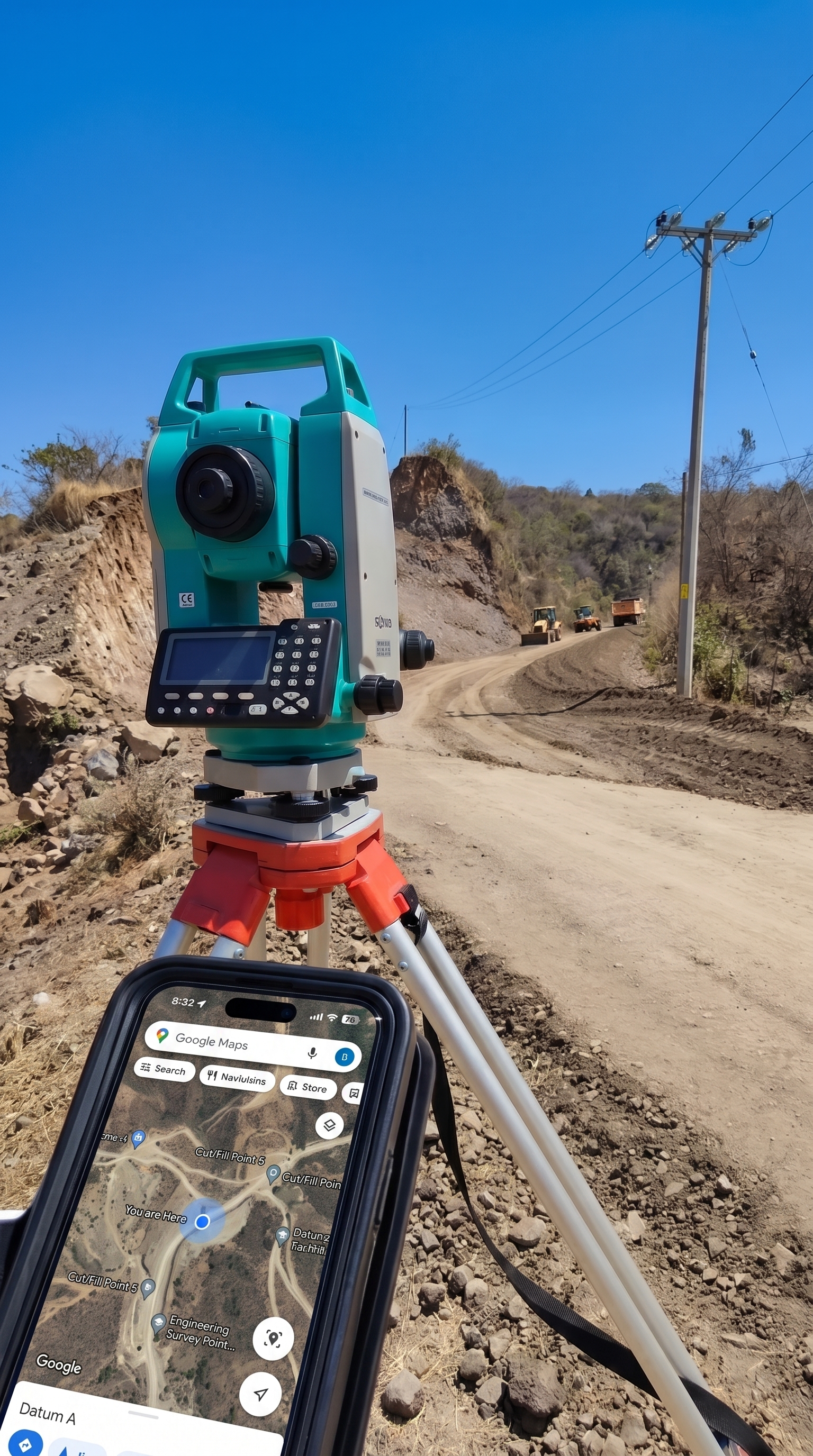
Bowron has created scope specific forms for each project type, with required fields that reinforce the thoroughness the team has always brought to field data collection. Field staff use tablets and phones to add drawings, log sample points, and document site observations in real time, giving the office immediate access to complete, structured data.
A recent last minute sample request illustrates this end to end workflow. When a client requested additional samples at the last minute, an office team member drew the new locations directly in Matidor. Field personnel saw the updated plan immediately, navigated to the correct locations, and plotted the samples on the map using GPS enabled devices, while chain of custody documentation was generated on the spot because sample names were already in the system.
Power BI Integration and Automated Reporting
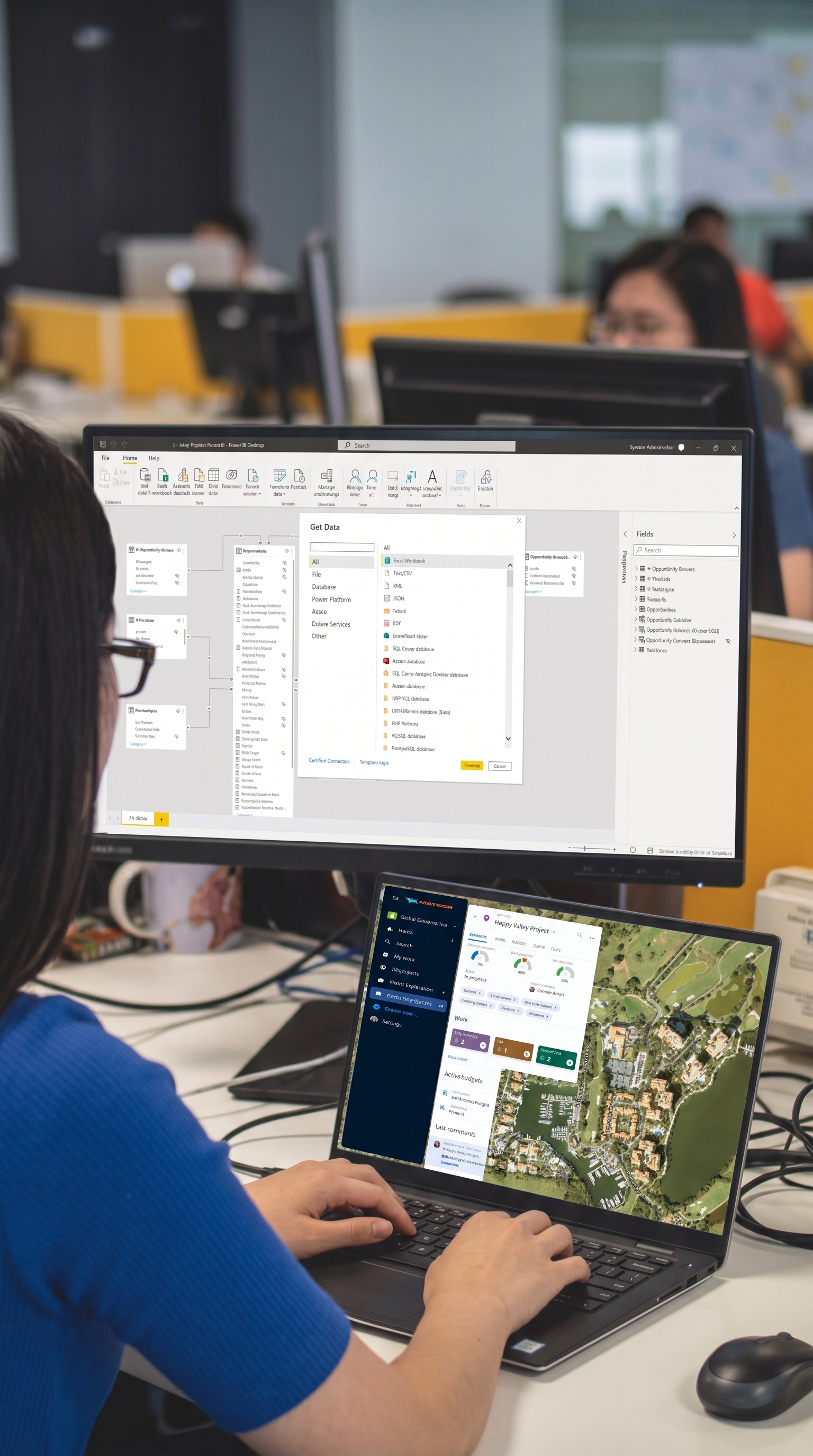
The direct data link between Matidor and Power BI has become a key part of Bowron's reporting stack. The team uses Matidor data to power weekly client update dashboards and is expanding scope specific reporting workflows that draw from the same source of truth.
Results and Impact
Results and Impact
"Reduced time spent on manual tracking and reporting, less administrative effort, improved accuracy, better informed decisions, and the ability to prioritize work more efficiently. We have been able to take on a higher volume of projects without adding administrative overhead, all while maintaining the standard of work our clients expect from us."
Laura Jardin, Intermediate Environmental Scientist, Bowron Environmental Group

Real Time Visibility, Less Admin, Better Decisions
The operational shift was clear and team wide. Bowron's standard of field data quality remained the constant. What changed was the speed and scale at which the team could deliver it, with real time budget visibility and spatial validation replacing manual, cycle based processes.
Related Customer Stories

How Earthmaster modernized project and budget management, eliminating missed sites and cost overruns with configurable spend alerts.
See Case Study →Learn More