.jpg)

Managing renewable energy projects is getting more complex as the industry grows – and GIS (Geographic Information Systems) is here to help. From identifying the best locations for solar and wind farms to optimizing resources across multiple projects, GIS transforms raw data into actionable insights. Here’s how GIS is making renewable energy projects smarter, faster, and more efficient:
- Site Selection Made Easy: GIS analyzes factors like solar radiation, wind speeds, and land use to pinpoint ideal locations for renewable energy projects.
- Streamlined Multi-Project Management: GIS helps companies manage dozens of projects by optimizing resources, balancing costs, and meeting regulatory requirements.
- Environmental Impact Mitigation: With GIS, developers can assess risks to ecosystems, avoid sensitive areas, and comply with environmental regulations.
- Advanced Tools for Optimization: Integrating GIS with AI and smart grids enables predictive analytics, real-time monitoring, and better energy distribution.
GIS is no longer just about maps – it’s a critical tool for renewable energy companies to manage portfolios, reduce risks, and maximize efficiency. Keep reading to explore how GIS is shaping the future of clean energy.
Streamline the Design and Construction of Renewable Energy Projects
How GIS is Used in Renewable Energy Projects
GIS plays a critical role in renewable energy projects, offering tools that help organizations handle complex spatial data efficiently. Its ability to integrate and analyze diverse datasets makes it invaluable for managing multiple projects, from early-stage planning to resource allocation and environmental management.
Site Selection and Feasibility Studies
Choosing the right location is essential for the success of renewable energy projects, and GIS has transformed how developers approach this task. By analyzing factors like solar irradiance, wind patterns, land use, and regulatory requirements [6], GIS helps identify the most suitable sites for development.
Selecting the right site for your project is a prerequisite for success.
UL Solutions [7]
GIS streamlines the initial stages of site evaluation, enabling developers to perform resource assessments and plan layouts, turbine placements, and energy production forecasts [7]. It also helps flag potential challenges, such as environmental concerns, community acceptance, and regulatory hurdles, before they lead to costly delays [7].
Resource Distribution Across Multiple Projects
Once optimal sites are chosen, GIS ensures that resources are distributed effectively across various projects. It provides a unified view of energy potential, environmental constraints, and socio-economic factors [9]. By analyzing data like demographics, infrastructure availability, and proximity to energy networks, GIS supports coordinated resource planning [9].
This capability is particularly important given the growing demand for electricity, projected to rise by 19% this decade, while transmission infrastructure is expanding at just 1% annually [8]. Esri highlights this advantage:
GIS is enabling new energy production by identifying sites of maximum energy potential and optimized economic development while minimizing environmental impact. [1]
By integrating field data, machine inputs, and real-time analytics into operational dashboards, GIS enhances workflow efficiency. It allows project managers to monitor and adjust resource allocation dynamically, ensuring consistent and informed decision-making. As Lauren Federsel, Associate Director of GIS at Atwell, puts it:
By integrating GIS into our prospecting process, we streamline the decision-making journey, ensuring that our clients start the development cycle with a strategic advantage. [4]
Environmental Impact Assessment
Managing environmental impact is another key area where GIS excels. Renewable energy projects must comply with environmental regulations, and GIS provides tools to assess and mitigate potential impacts. By combining data on geography, climate, and land use, GIS evaluates environmental risks and identifies sensitive areas like wetlands and wildlife habitats [2]. This helps developers avoid or minimize negative effects on ecosystems [10].
The importance of thorough environmental planning is evident from data showing that over 50 large renewable projects faced disruptions between 2008 and 2021, with about half being canceled due to inadequate planning [8]. GIS helps developers assess risks related to biodiversity, water resources, and natural hazards, ensuring projects are better prepared for these challenges [2].
For example, Enel Green Power uses an “Environmental Engine” digital system to monitor and reduce environmental impacts at its power plants. This system tracks four Key Performance Indicators (KPIs) focused on environmental and biodiversity protection, which are highlighted in Enel’s annual Sustainability Report [3].
Additionally, GIS aids in compliance mapping by visualizing regulatory zones and environmentally sensitive areas. This ensures projects meet all legal and environmental requirements [2], reinforcing the earlier steps of site selection and resource allocation for more effective project execution.
Advanced Technologies for Multi-Project Optimization
The combination of GIS with cutting-edge tools like artificial intelligence (AI) and smart grids has transformed how renewable energy organizations handle multiple projects at once. Together, these technologies improve predictive analytics, streamline automation, and optimize resources across entire portfolios. While GIS already provides robust analytical capabilities, integrating AI takes optimization to a whole new level.
GIS and Artificial Intelligence Integration
AI-powered GIS systems are reshaping renewable energy project management by automating complex data analysis and offering predictive insights that were previously unattainable. These tools build on GIS’s strengths in site evaluation and resource planning, pushing the boundaries of what’s possible. The geospatial analytics market reflects this growing trend, with forecasts showing its value climbing from $89.81 billion in 2024 to $262.73 billion by 2032 [13].
GIS software analyzes complex systems and vast datasets to enhance operations. Combined with AI, it delivers insights faster and at unprecedented scale, enabling greater automation, prediction, and optimization.
Esri [11]
One standout example of AI-enhanced GIS is resource forecasting. By analyzing historical and real-time data, these systems can predict resource availability – like cloud cover for solar panels or wind speed for turbines [12]. This helps project managers anticipate fluctuations in energy production and adjust operations across multiple sites.
The benefits of AI integration go beyond forecasting. For instance, AI-powered design tools have cut design errors and iterations by up to 30% [12]. Installation processes, too, have seen time savings of 20% to 40% compared to traditional methods [12]. A practical example comes from DeepMind and Google, whose AI reduced wind farm energy costs by 20% by predicting wind output 36 hours in advance [14].
AI also plays a critical role in site assessments and maintenance. Automated systems analyze vast datasets – like temperature trends, performance metrics, and weather patterns – to identify optimal project sites and flag potential risks early [12]. Predictive maintenance powered by AI has been shown to reduce equipment downtime by up to 50% and extend machinery lifespan by 20–40% [12]. Meanwhile, real-time monitoring systems driven by AI algorithms have achieved up to a 25% reduction in system failures [12], ensuring smoother operations across entire project portfolios.
GIS in Smart Grid and Energy Distribution
GIS doesn’t just stop at AI – it’s also a key player in smart grid technology, which is revolutionizing energy distribution. By integrating GIS, smart grids gain the spatial intelligence needed to efficiently manage energy from multiple renewable sources.
GIS helps optimize grid infrastructure by mapping out demand, proximity to infrastructure, and even creating digital twins that simulate grid performance using real-time sensor data [16][17]. This information allows utilities to strategically position components like smart meters, transformers, substations, and sensors for maximum efficiency.
Singapore’s Smart Nation initiative is a great example of GIS-optimized energy distribution in action. With detailed mapping and real-time monitoring, the initiative has significantly cut energy consumption across residential and commercial sectors [15].
Energy storage is another area where AI-enhanced GIS shines. These systems analyze geographic and environmental factors – such as weather patterns and seasonal changes – to determine the best times and places to store or distribute energy [12]. This ensures that energy is used as efficiently as possible across the grid.
When it comes to managing multiple renewable projects, GIS plays a crucial role in maintaining grid stability. It enables utilities to visualize and manage the flow of energy between solar farms, wind installations, and traditional power sources. This helps minimize energy loss and ensures a stable grid [18].
Grid operators also benefit from AI-powered forecasting tools that predict energy production from renewable sources. These forecasts allow operators to balance supply and demand more effectively, which is especially important when dealing with multiple projects that may face varying weather conditions and production levels [12].
Benefits of GIS for Renewable Energy Organizations
GIS technology has become a game-changer for renewable energy organizations, offering tools that address the unique challenges of managing multiple projects. Traditional project management methods often fall short when juggling complex portfolios, but GIS provides the means to improve collaboration, streamline resource management, and enhance operational efficiency.
Better Collaboration and Data Sharing
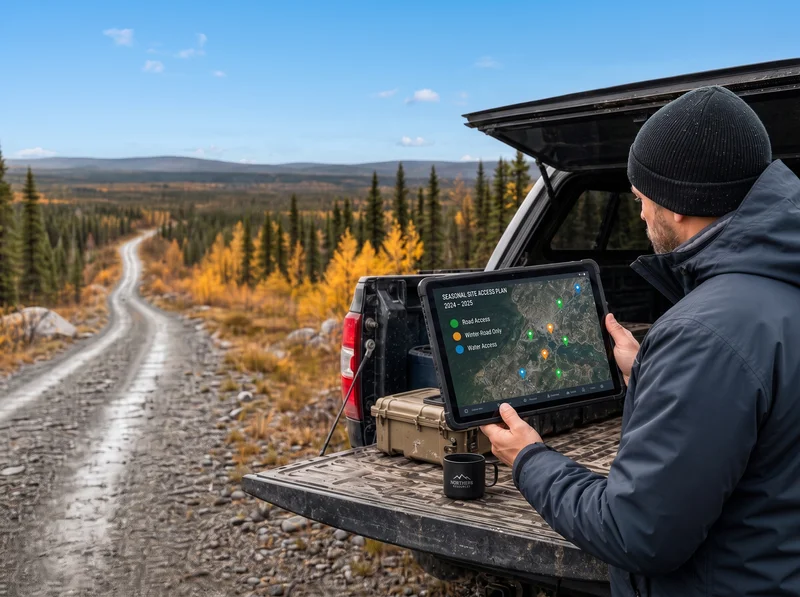
GIS transforms teamwork by offering a shared, visual platform where stakeholders can access and update real-time information. Instead of relying on static spreadsheets, teams use live maps and dashboards to collaborate more effectively.
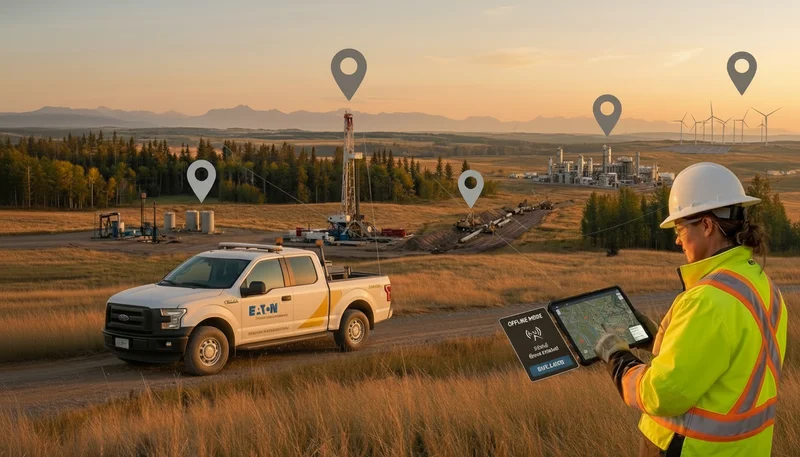
With real-time multi-user editing, updates from various team members are synchronized seamlessly, ensuring everyone works with the latest data. The cross-platform access feature allows teams to monitor and manage projects from any device, making it easier to stay connected, whether in the office or the field. For organizations navigating complex regulatory landscapes, GIS becomes a central hub where environmental specialists, engineers, and compliance officers can share and analyze critical data, such as zoning restrictions, protected areas, and permit requirements. This proactive approach helps teams identify and address potential challenges early in the project lifecycle.
By improving collaboration, GIS empowers organizations to make smarter decisions about finances and resources.
Improved Budget and Resource Management
GIS offers spatial insights that revolutionize how renewable energy organizations plan budgets and allocate resources. Project managers can visualize cost variations across regions and make informed decisions about resource distribution.
For instance, parcel data visualization provides detailed information on land ownership, property values, and zoning laws – key factors when negotiating land deals or assessing a project’s financial viability [5]. GIS also helps map distances to infrastructure like power plants, substations, and transmission lines, which is crucial as electricity demand is projected to grow by 19% this decade, while transmission line expansion lags at just 1% annually [8]. Understanding infrastructure proximity helps manage transmission and interconnection costs across projects.
Additionally, GIS includes risk assessment tools that identify potential financial risks, such as natural hazards or environmental sensitivities. This allows project managers to allocate contingency budgets more accurately and avoid unexpected costs during development [4].
Higher Operational Efficiency
Streamlined data processes through GIS lead to improved operational efficiency across renewable energy projects. The technology optimizes resource allocation and workflow management, enabling stakeholders to make better decisions across multiple projects [2].
Dynamic dashboards provide real-time insights into project portfolios, allowing decision-makers to monitor progress and respond quickly to challenges or opportunities [5]. For example, Western Power, an Australian utility serving over 1.1 million customers, uses advanced visualization tools across 50 displays to track everything from emergencies to real-time maps of its transmission network. This approach has significantly improved response times and situational awareness [19].
Given the distributed nature of renewable energy assets, GIS makes it easier to oversee performance across multiple sites. Operators can quickly pinpoint underperforming assets and coordinate maintenance activities more efficiently. Furthermore, GIS simplifies compliance management by overlaying regulatory data – such as zoning laws and environmental restrictions – onto project maps [5]. This integration reduces the administrative burden of managing regulatory requirements across jurisdictions while ensuring compliance.
The Future of GIS in Renewable Energy
GIS has long been a cornerstone in managing resources and environmental data, but its role in renewable energy is evolving rapidly with the integration of cutting-edge technologies. The global GIS mapping market is projected to expand from $9.4 billion in 2024 to $31.2 billion by 2030, reflecting an annual growth rate of 12.3% – a clear indicator of its growing importance in advanced spatial analysis [20].
One of the most exciting developments is GeoAI, which merges artificial intelligence with geospatial data to deliver predictive insights. This technology is revolutionizing the sector by optimizing maintenance schedules and pinpointing the most effective locations for new installations. For example, Nvidia‘s Earth-2 platform, set to launch in 2025, combines AI, physics simulations, and geospatial intelligence to push the boundaries of climate modeling and predictive analytics [20].
The adoption of GIS is not just about maps; it’s about insights that empower industries to plan smarter and act faster.
Esri CEO Jack Dangermond [21]
Real-time IoT integration is another game-changer. Smart sensors installed on wind turbines and solar panels continuously feed data into GIS platforms, allowing for real-time monitoring and analysis. Paired with digital twins – virtual replicas of wind farms and solar installations – these tools enable operators to test scenarios and optimize performance without halting operations.
The rise of cloud-based GIS platforms is also leveling the playing field. Smaller renewable energy companies now have access to advanced mapping and optimization tools, which were previously out of reach. This democratization of technology is driving innovation across the industry.
Visualization tools are becoming more sophisticated, thanks to 3D mapping and augmented reality. By 2025, Gaussian splatting technology will enable realistic 3D reconstructions using just a smartphone camera. This capability allows field teams to better understand project impacts and communicate effectively with stakeholders [20].
GeoAI is the key to unlocking smarter urban planning and sustainable ecosystems for future generations.
Dr. Sarah Elwood, Geospatial Data Scientist [21]
Environmental compliance is another area where GIS is making strides. Automated monitoring systems now track environmental impacts in real time, alerting project managers to potential issues before they escalate. These advancements not only simplify regulatory processes but also help ensure that renewable energy projects align with sustainability goals.
With these innovations, GIS is no longer just a tool for mapping – it’s becoming the backbone of complex renewable energy operations, enabling smarter planning, real-time problem solving, and sustainable growth.
FAQs
How does GIS help in choosing the best locations for renewable energy projects?
The Role of GIS in Renewable Energy Site Selection
Geographic Information Systems (GIS) are invaluable when it comes to pinpointing the best locations for renewable energy projects. By layering and analyzing various data points, GIS helps developers make smarter choices about where to place their projects. It takes into account factors like topography, land use, proximity to infrastructure, and even environmental restrictions.
For instance, GIS can analyze solar radiation data to identify prime spots for solar farms or examine wind patterns to find locations ideal for wind turbines. This ensures that selected sites are not only environmentally sound but also economically practical. Additionally, GIS simplifies tasks like assessing land ownership and navigating regulatory requirements, which can save time and minimize delays in the planning phase.
By combining all these insights, GIS makes the entire site selection process more efficient, helping renewable energy projects get off the ground faster and with greater precision.
How does GIS help manage environmental impacts in renewable energy projects?
The Role of GIS in Renewable Energy Projects
Geographic Information Systems (GIS) are invaluable tools for renewable energy projects, offering detailed insights into site conditions and potential risks. By examining factors like land use, terrain, and proximity to sensitive ecosystems, GIS helps developers pinpoint ideal locations for projects like solar farms or wind turbines. This approach ensures that environmental disruptions are kept to a minimum while maximizing project efficiency.
GIS also plays a key role in meeting environmental regulations. It maps out areas requiring special attention, simplifies the permitting process, and enhances communication with stakeholders. This makes it easier to ensure that renewable energy projects are not only effective but also environmentally responsible and respectful of local ecosystems.
How does AI improve the use of GIS in optimizing renewable energy projects?
The integration of Artificial Intelligence (AI) with Geographic Information Systems (GIS) is transforming how renewable energy projects are planned and managed. AI’s ability to process massive datasets allows it to pinpoint optimal locations for renewable energy installations. It considers factors like solar exposure, wind speeds, and terrain characteristics to ensure the best possible outcomes. For instance, AI can predict weather patterns, enabling solar panels and wind turbines to adjust their operations dynamically to achieve peak energy production.
When combined with GIS, AI takes things a step further by automating data analysis and enabling real-time monitoring. This capability is crucial for tasks like predictive maintenance, efficient energy distribution, and improving grid performance. By analyzing complex geospatial data with speed and accuracy, AI enhances the reliability and efficiency of renewable energy systems, playing a key role in advancing cleaner energy initiatives.
.webp)
.webp)
.webp)
.webp)
.webp)
.webp)
.webp)
.webp)
.webp)
.webp)
.webp)
.webp)
.webp)
.webp)
.webp)
.webp)
%20(2).webp)
.webp)
.webp)
.webp)
















.webp)

.webp)

.jpg)

%20(1).webp)




.jpg)

.jpg)
.jpg)


.jpg)