.webp)

Vegetation monitoring for oil and gas sites in Canada has become one of the more demanding multi-year compliance programs that operators and environmental consultants manage in 2026. Whether the goal is earning an AER reclamation certificate, maintaining a pipeline right-of-way in BC, or meeting post-construction reporting obligations under the Canada Energy Regulator, vegetation data has to be collected consistently, documented carefully, and tracked across sites that can number in the dozens or hundreds. This guide is written for Canadian oil and gas operators, environmental consultants, and field operations managers who need a practical framework for building a vegetation monitoring program that satisfies regulators, holds up to review, and scales beyond a spreadsheet.
This article explains what vegetation monitoring covers, what both the Alberta Energy Regulator and the BC Energy Regulator require in 2026, why gaps in vegetation programs create real financial and regulatory risk, and what a well-structured program looks like at the field and portfolio level.
What vegetation monitoring actually covers
Vegetation monitoring in the oil and gas context is not a single task. It spans several overlapping program types, each with its own regulatory driver, field methodology, and documentation standard. Treating them as one undifferentiated activity is one of the most common reasons programs fall behind or fail certification review.
Well sites and reclamation areas
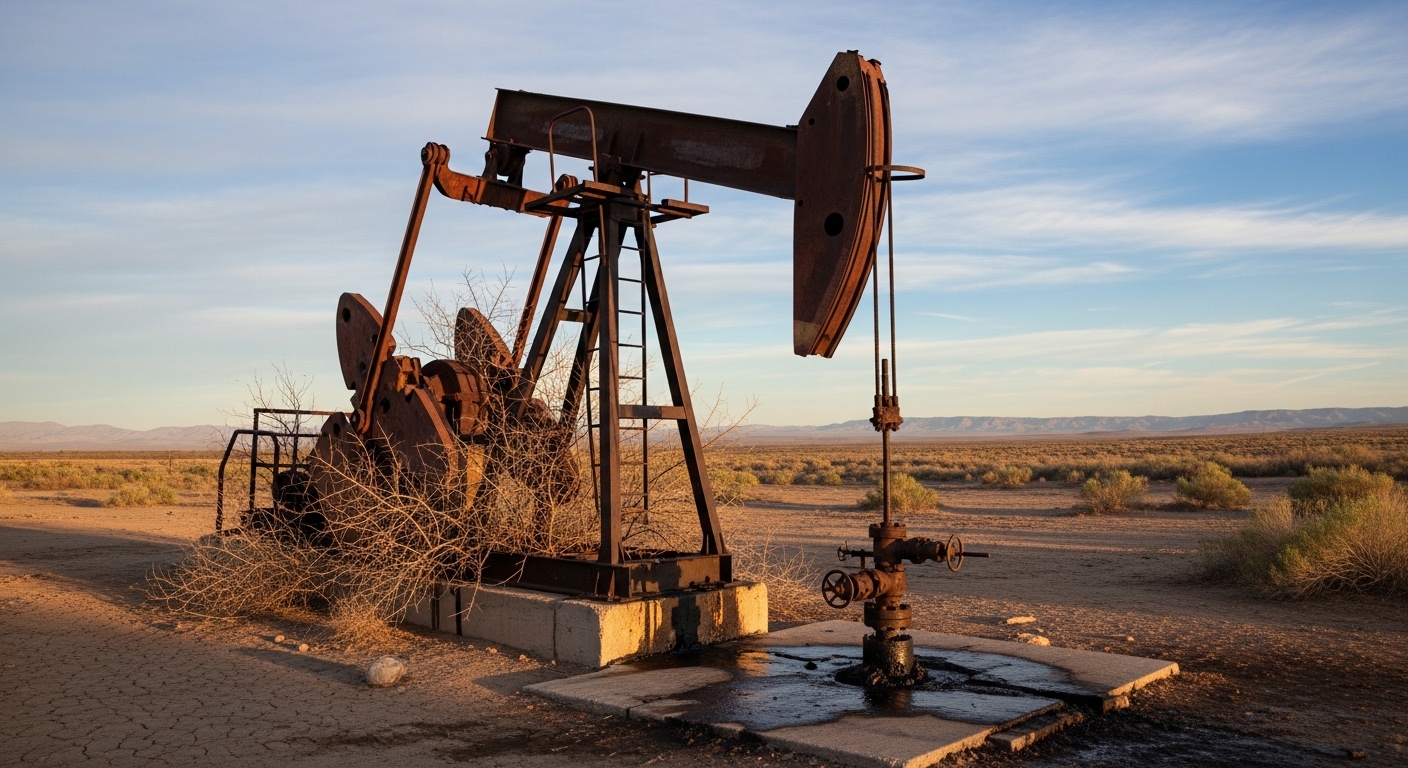
At well sites and associated facilities that have been suspended or abandoned, vegetation monitoring is the primary tool regulators use to assess whether a site is recovering toward its pre-disturbance state. In Alberta, companies are required to return land to a state similar to what existed before development, and the AER issues reclamation certificates to confirm that requirement has been met. Vegetation assessments under Alberta's reclamation criteria evaluate four components: structure, desirable species cover, undesirable species cover, and species richness. Each component has defined thresholds, and a site that falls short on any one of them does not qualify for certification regardless of how the others score.
At a typical oil and gas well lease, developers clear a roughly 100 m by 100 m area plus an access road. When the AER assesses a site, it applies a 150 m buffer zone around the clearing and access road to create a control site boundary, then evaluates vegetation regeneration by comparing land cover inside the cleared area to adjacent undisturbed land. Remote sensing tools using Landsat and Sentinel-2 satellite imagery are now used by the Alberta Geological Survey to monitor vegetation loss and recovery trends across reclamation sites, with mid-summer cloud-free imagery analyzed across multiple years to assess biomass content, vegetation health, canopy density, and leaf moisture. Operators who received early reclamation certificates using remote sensing verification demonstrated that aerial and satellite-based vegetation assessment can substitute for in-person inspection at eligible remote sites.
Pipeline rights-of-way
Pipeline rights-of-way require a different kind of vegetation program. The goal here is not reclamation to a pre-disturbance state but maintenance of a vegetation profile that protects pipeline integrity, limits encroachment by incompatible species, and meets regulator and landowner requirements. The Canada Energy Regulator requires pipeline companies to comply with CSA Z662-19 standards, and integrated vegetation management plans that address noxious weed treatment, invasive plant control, and right-of-way condition are filed with the CER on multi-year cycles. Post-construction monitoring under CER conditions is typically required for at least three to five years following final clean-up, and can extend to ten or more years for sites with sensitive environmental features, species at risk habitat, or slow-recovering soils.
For pipelines in agricultural or peatland areas, vegetation monitoring also serves as an early indicator of drainage problems, soil compaction, and erosion. Post-construction monitoring programs for major pipeline projects have historically separated monitoring into three streams: wetlands, vegetation, and wildlife, each requiring documented field evidence across multiple growing seasons.
What regulators require in 2026
Both the Alberta Energy Regulator and the BC Energy Regulator updated their reclamation and environmental management frameworks in 2024 and 2025. Operators who are working from older guidance documents may not be meeting current expectations.
Alberta: AER reclamation criteria and SED 002
In July 2025, the AER released a revised edition of Specified Enactment Direction 002 (SED 002), which sets out the information requirements under the Environmental Protection and Enhancement Act for reclamation certificate applications covering well sites, associated facilities, and pipelines. SED 002 was updated to address commonly asked questions by clarifying expectations, requirements, processes, and terminology that had been generating inconsistency in applications. Operators submitting reclamation certificate applications need to ensure their vegetation data package aligns with SED 002's current requirements, not older manuals.
Under Alberta's reclamation criteria for well sites and associated facilities, woody vegetation cover is assessed against defined thresholds. For natural recovery sites regardless of reclamation date, a minimum 25% canopy cover of appropriate species is one benchmark against which sites are evaluated. Species richness, diversity, and evenness are compared against reference sites or established thresholds to determine whether a recovering site is on a trajectory toward successful reclamation within defined timeframes. A pilot program introduced in March 2024 also allowed eligible operators to apply for reclamation certificates on the unused portion of a well site even where the well itself remains active, accepting applications through August 2025.
The practical operator takeaway: vegetation data submitted for AER review needs to be traceable, species-level, documented against the four criteria components in SED 002, and ideally benchmarked against reference conditions from adjacent undisturbed land. Data collected by field crews using non-standardized forms or inconsistent sampling methods frequently requires costly revisits before an application can proceed.
BC: BCER ecologically suitable species and post-construction reporting
In BC, the BC Energy Regulator oversees oil and gas operations across the province, and vegetation monitoring is embedded across several of its regulatory frameworks. The BCER published its Ecologically Suitable Species Guideline in March 2024, which defines reclamation criteria and objectives related to vegetation type and cover for BC oil and gas sites. Operators seeking a Certificate of Restoration in BC must demonstrate that revegetation is progressing with ecologically suitable species appropriate to the land cover type disturbed.
Post-construction environmental monitoring requirements under the CER also apply to interprovincial pipeline operators working in BC, with initial reports typically due after the first growing season following final clean-up, followed by reports at three and five years. The BC environment presents specific challenges for vegetation programs: sites in peatland areas, riparian zones, or caribou habitat require element-specific monitoring programs that go beyond standard cover and richness assessments. Operators who use minimal disturbance construction techniques in peatland areas have documented improvements in native vegetation recovery and natural drainage maintenance compared to conventional methods.
Taken together, the regulatory picture across both provinces in 2026 means vegetation monitoring programs need to run for multiple years, produce site-specific documented evidence that matches regulator terminology and criteria, and be organized in a way that makes reporting efficient when certification windows open.
Why vegetation monitoring is a strategic liability, not just a field task
Vegetation program gaps rarely surface as regulatory citations in the first year. They surface when a company applies for a reclamation certificate and discovers its field records do not match the criteria, or when an audit identifies inconsistencies between the data submitted and the condition observed on site.
At a portfolio level, the financial exposure is real. Every site that fails a vegetation assessment and requires remediation, re-seeding, or weed treatment before reapplication extends the period a company carries liability for that site. In Alberta, operators must hold liability for well sites and associated facilities until the AER issues a reclamation certificate confirming the land has been returned to equivalent capability. For companies with hundreds of suspended or abandoned sites, the carrying cost of delayed reclamation certification runs directly against capital planning and asset retirement obligations disclosed in financial statements.
Vegetation data quality also affects transaction risk. Buyers and lenders conducting due diligence on upstream oil and gas assets examine reclamation liability carefully, and inconsistent or undocumented vegetation monitoring records reduce the defensibility of liability estimates. ESG disclosures that reference land remediation progress are similarly exposed when the underlying field data is managed in disconnected systems with no audit trail.
One specific data quality risk: when vegetation monitoring is tracked in spreadsheets shared across field crews and office staff, different monitoring crews often use different species lists, cover class scales, or plot methods at the same site type over time. This makes year-over-year comparison unreliable and can invalidate trajectory assessments that regulators need to see in reclamation applications.
Four pillars of a consistent vegetation monitoring program
A credible, scalable vegetation monitoring program usually rests on four core pillars.
1. Accurate site inventory and monitoring schedule
Before monitoring begins, operators need a complete, current inventory of which sites require vegetation monitoring, what regulatory driver applies to each (AER reclamation criteria, CER post-construction conditions, BCER Certificate of Restoration, or right-of-way maintenance), and what the current vegetation status and monitoring year is for each site.
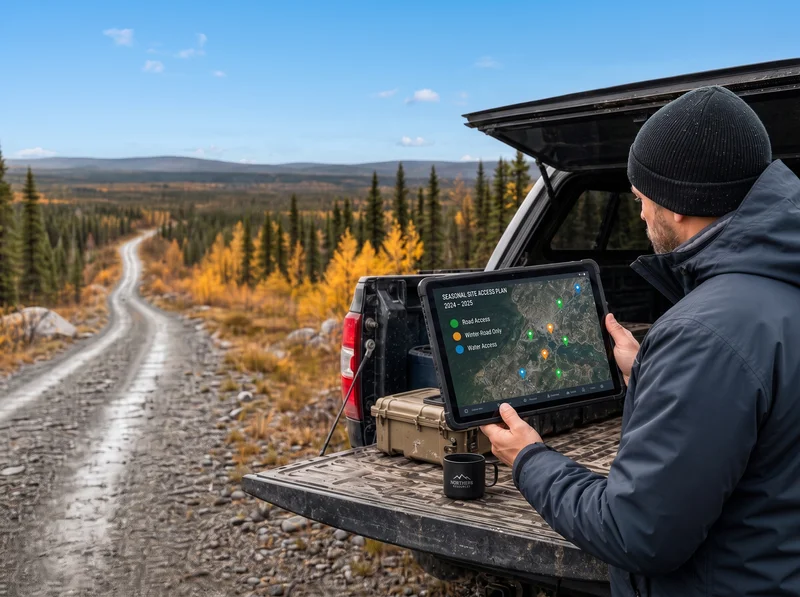
Environmental consultants working across large site portfolios consistently identify site tracking as a first breakdown point: crews go out and collect good data during the growing season, but no one has a clear view of which sites are in year one versus year three of a five-year post-construction program, or which sites need a growing-season visit this summer versus next. A GIS-based map view that shows all sites organized by monitoring status, regulatory driver, and most recent inspection date is more useful than a site list in a spreadsheet, because it immediately surfaces which sites are overdue and where field crews can be routed efficiently.
Regulators also require that monitoring visits occur during the growing season. Assessments carried out outside this window may not be accepted, which means scheduling accuracy directly affects whether a season of field work counts toward certification progress.
2. Program-level planning instead of site-by-site work orders
Vegetation monitoring programs managed as individual site-by-site work orders tend to produce higher mobilization costs and less consistent data than programs planned at the portfolio level. When field crews are dispatched one site at a time without a coordinated routing plan, sampling methods can drift between crews over time, and program managers rarely have a clear view of whether the overall program is on track against regulatory timelines.
Program-level planning means grouping sites by geography and access corridor, aligning crew assignments with the valid growing season window, and setting annual targets for how many sites need to move from active monitoring to reclamation-ready to support the company's liability reduction goals. It also means having a single source of truth that shows program-wide status: how many sites are in year one, how many are approaching certification eligibility, and where work is concentrated geographically in the current season.
Batching monitoring visits by region also creates opportunities to combine mobilizations with other field programs, such as well abandonment or facility inspections, reducing per-site costs across the portfolio.
3. Consistent field documentation that holds up to regulator review
Regulators reviewing reclamation certificate applications or post-construction monitoring reports need to see that vegetation data was collected consistently, by qualified professionals, at the right time of year, using methods that align with the criteria being assessed. Applications that include data collected using non-standard forms, undated photographs, or species identifications without supporting voucher data can require costly revisits before they are accepted.
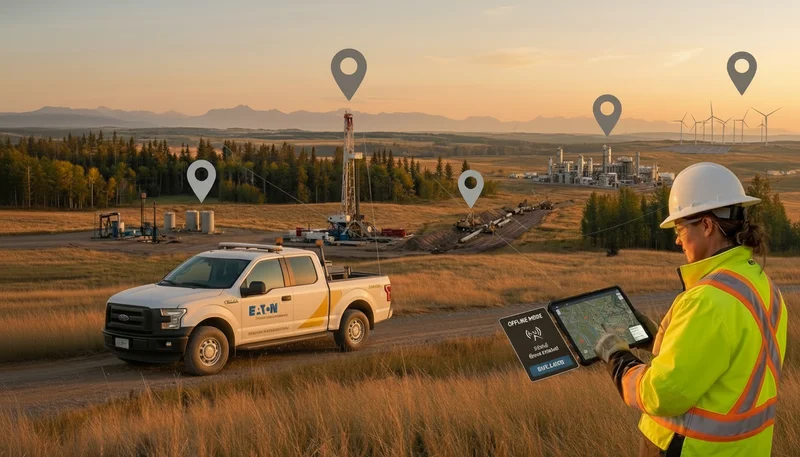
Standardized field forms that match AER criteria components (structure, desirable cover, undesirable cover, species richness) or CER post-construction monitoring requirements should be used by every crew at every site in the program. GPS-tagged photographs at defined plot locations, timestamped inspection records, and offline capability for remote sites without cellular coverage all make documentation more complete and more defensible in regulatory review.
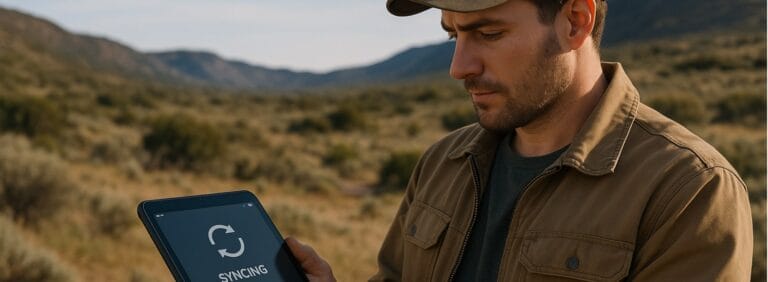
When field data is collected digitally and synced to a central system of record, the resulting documentation is easier to compile into the evidence packages that reclamation certificate applications and post-construction monitoring reports require.
4. Reporting against reclamation targets and program milestones
A vegetation monitoring program that produces good field data but cannot translate it into progress reports does not serve the company's compliance or liability reduction goals. Operators need to be able to report, at any point in the program cycle, how many sites have passed vegetation assessment thresholds, how many are still in monitoring, what the year-over-year trajectory looks like, and what the projected reclamation certification timeline is.
This kind of reporting requires that site-level data be organized in a way that maps to regulatory criteria categories, not just raw field notes. The AER's vegetation criteria have defined thresholds: a reporting system that cannot show how many sites currently meet species richness and desirable cover requirements versus how many are still below threshold does not support adaptive management or capital planning. Annual spending by site and by program also needs to be visible alongside monitoring status, so decisions about where to invest remediation budgets in a given year are grounded in current cost and progress data.
How technology supports better vegetation monitoring outcomes
A modern GIS-native field operations platform is central to making vegetation monitoring programs both efficient and defensible. Organizations that manage dozens or hundreds of field monitoring sites need software that connects spatial data, field documentation, scheduling, and budget tracking in one place rather than across multiple disconnected tools.
Portfolio visibility and prioritization
Vegetation monitoring programs that span multiple regulatory jurisdictions, site types, and monitoring years are difficult to manage from a shared spreadsheet. When different team members are updating different files, the most important information, which sites are due for a growing-season visit this year, is rarely visible without a manual reconciliation exercise.
A unified system that visualizes all monitored sites on an interactive map, filterable by monitoring year, regulatory driver, and site status, gives program managers the spatial context they need to prioritize field work and route crews efficiently. GIS tools have become central to environmental project management because they allow consultants to layer spatial data including sensitive habitat, proximity to water bodies, and land use context directly on top of site locations, which supports both field planning and regulatory reporting.
Real-time budget tracking and cost control
Vegetation monitoring programs run for years, and the cost of field mobilizations, lab analysis, qualified professional fees, and remediation work across a portfolio of sites can exceed initial estimates when program costs are not tracked in real time. When finance and field operations are working from different tracking systems, cost overruns surface late, and decisions about which sites to prioritize for certification in a given year are made without an accurate view of remaining budget.
Real-time spend visibility, shared across field and finance teams, allows program managers to make adaptive decisions mid-season: accelerating work on sites close to certification thresholds, deferring lower-priority sites, and redeploying budget toward remediation where it will have the most impact on liability reduction.
Standardized mobile workflows and audit-ready records
The documentation standard for vegetation monitoring is rising in both Alberta and BC. The AER's revised SED 002 clarifies expectations for reclamation applications, and the BCER's updated Ecologically Suitable Species Guideline sets a higher bar for species documentation in BC. Documentation collected without standardized methods or GPS-referenced locations is harder to defend in regulatory review.
Digital mobile tools that support offline data collection, GPS-tagged photos, and timestamped form submissions address this directly. When field data flows automatically into a central project record, the resulting documentation is both more consistent and more accessible when it comes time to compile reporting packages for regulators. For more on building audit-ready field documentation, see Matidor's article on environmental consulting reporting and insights on mitigating major risks in oil and gas.
Next steps for operators and environmental teams
Vegetation monitoring obligations are not going away in Alberta or BC. The AER's updated SED 002 and the BCER's Ecologically Suitable Species Guideline set a higher documentation bar than many operators are currently meeting, and the number of sites requiring active monitoring continues to grow as more wells and pipeline segments enter the late-life or post-abandonment stage.
The first practical step for any operator or environmental consulting firm managing a vegetation monitoring program in 2026 is an honest audit of current workflows: Are all sites tracked in one system? Are field crews using consistent, criteria-aligned forms? Is the program producing year-over-year progress data in a format that supports reclamation certificate applications? If the answer to any of those questions is no, that gap carries real liability.
For teams ready to move from spreadsheet-based tracking to a GIS-native field operations platform, Matidor's solutions for environmental services and oil and gas operations are built specifically for multi-site field programs where geographic coordination, budget tracking, and compliance documentation have to work together.
Additional reading: how to manage 50-plus field projects, AI in field project management, and energy field service trends.
Ready to See Your Entire Vegetation Monitoring Portfolio on One Live Map?
If your team is managing an active vegetation monitoring program across dozens of well sites, pipeline corridors, or reclamation areas, and your current system runs on spreadsheets, shared drives, and email threads, Matidor can help.
See Matidor in your operation:
- Start a free 14-day trial and map your first 10 monitoring sites in under an hour
- Book a demo to see portfolio dashboards, budget tracking, and GIS overlays configured for vegetation monitoring workflows
- Evaluate platform fit with Matidor's self-guided discovery tool built for multi-site operations
Frequently Asked Questions
What does vegetation monitoring involve for oil and gas well sites in Canada?
Vegetation monitoring at oil and gas well sites involves assessing plant species cover, composition, richness, and recovery trajectory compared to adjacent undisturbed land. In Alberta, assessments must address four criteria components under AER reclamation standards: structure, desirable species cover, undesirable species cover, and species richness. Sites are monitored over multiple growing seasons until they meet the thresholds required for a reclamation certificate application.
How long does post-construction vegetation monitoring take for pipelines?
Post-construction vegetation monitoring for pipelines regulated by the Canada Energy Regulator typically spans a minimum of three to five years, with initial reports filed after the first growing season following final clean-up. The CER can require reports for ten or more years where sensitive areas such as caribou habitat, wetlands, or species at risk locations are involved. The number and timing of reports are set out in the project order or certificate conditions issued at approval.
What is the AER's SED 002 and why does it matter for vegetation programs?
SED 002 (Specified Enactment Direction 002) is the AER's document that sets out the information requirements for reclamation certificate applications under the Environmental Protection and Enhancement Act. The AER released a revised edition in July 2025 to address commonly asked questions and clarify terminology, application processes, and expectations. Operators submitting vegetation assessments as part of reclamation applications need to ensure their data packages align with the current SED 002 requirements.
How does GIS help with vegetation monitoring program management?
GIS enables operators and environmental consulting teams to visualize all monitored sites on an interactive map, organized by monitoring year, regulatory driver, site status, and geographic location. This makes it easier to plan efficient field crew routes, identify sites that are overdue for assessment, and report program progress against regulatory timelines. When field data is collected with GPS-tagged coordinates and synced to a central GIS-linked platform, the resulting records are both more complete and more defensible in regulatory review.
.webp)
.webp)
.webp)
.webp)
.webp)
.webp)
.webp)
.webp)
.webp)
.webp)
.webp)
.webp)
.webp)
.webp)
.webp)
.webp)
.webp)
















.webp)

.webp)

.jpg)

%20(1).webp)




.jpg)

.jpg)
.jpg)
.jpg)

.jpg)