
Your best field technician probably did not quit because of one bad week or one tough project. They quit because your systems quietly made every week harder than it needed to be, and nobody fixed it.
It rarely starts with the resignation email
From the office, it looks like the decision arrives out of nowhere. One day your most reliable field tech is leading the toughest jobs; the next day they send a short, polite email saying they have accepted another role, thank you for the opportunities, effective two weeks from now.
By the time you see that email, the decision has been made for a while.
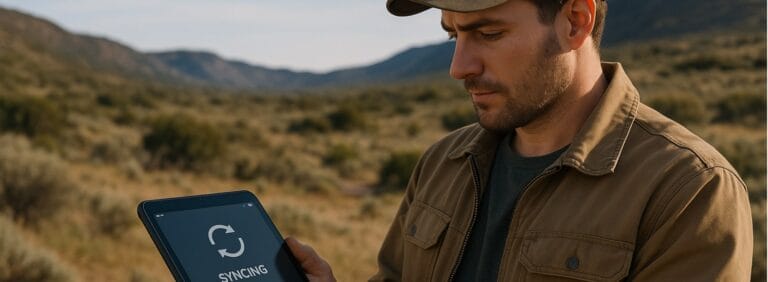
It usually starts months earlier with friction that nobody in the office feels: losing an hour at the end of every shift fighting slow apps to enter notes, retyping job data into spreadsheets, hunting for missing photos in shared drives, sitting in a truck outside a remote site staring at a spinning sync icon.
None of those moments are dramatic enough to trigger a conversation on their own. Taken together, they quietly define the job.
The day your best tech decided they were done
Picture this day.
Your lead field technician drives two hours to a site they visited last month. The job should be routine: confirm a remediation system is working, collect a few groundwater samples, update the client’s inspection record.
They open the field app and realize half the assets on site were never set up properly in the system. The well IDs on the ground do not match the IDs on the screen. The last inspection notes are stored as a PDF someone scanned and uploaded sideways. The sampling plan is in an email that never made it into any job record.
They improvise. They write down the IDs by hand. They take photos and hope they will be able to match them to the right locations later. They collect the samples and know the lab submission will involve manual data entry because the lab portal does not talk to the field system.
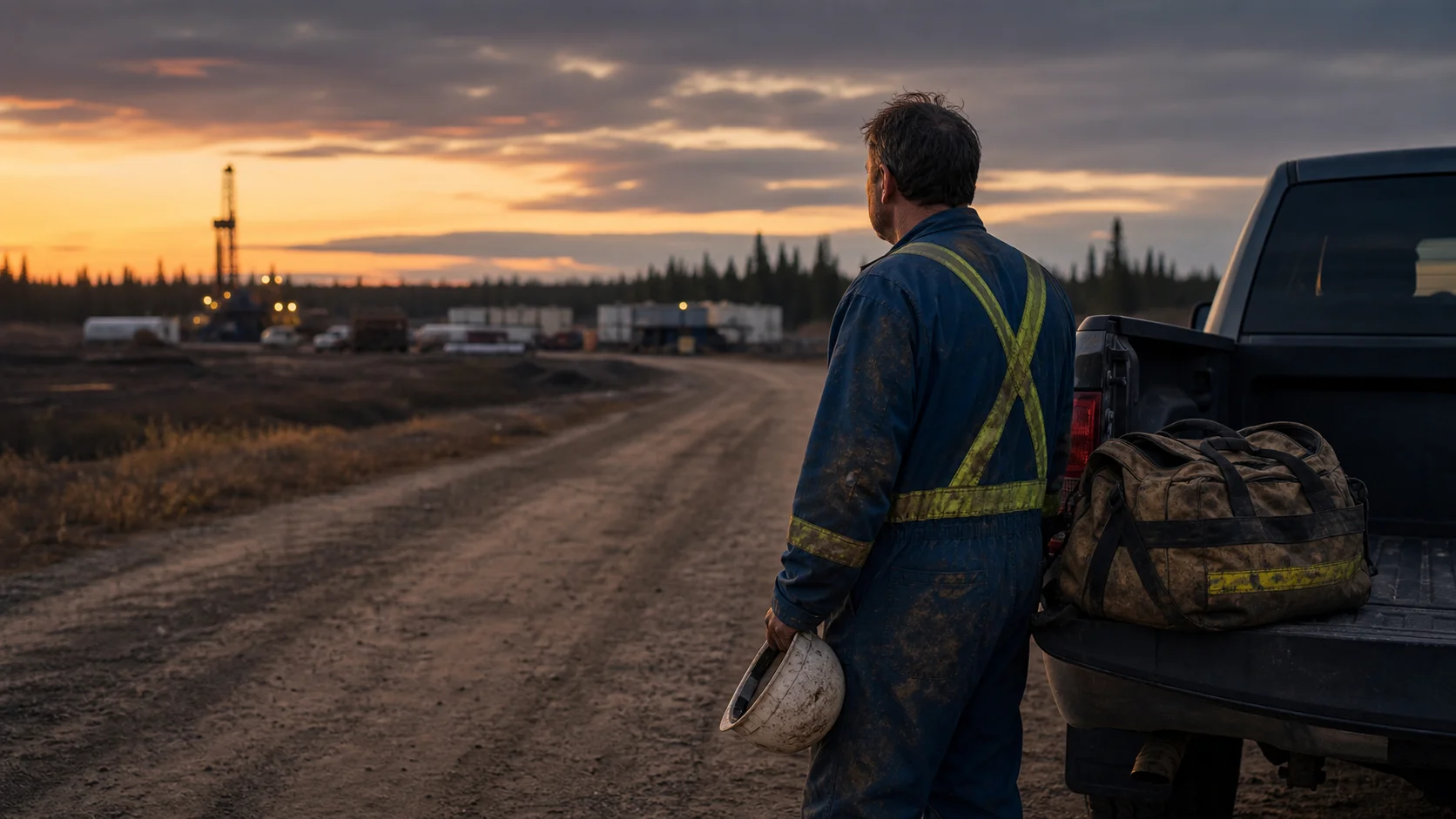
Back at the truck, they spend 45 minutes trying to get the app to save, then another half hour tethered to a phone hotspot because the app only syncs over a strong connection and they are outside the cell coverage sweet spot.
None of this is the part of the job they signed up for.
They signed up to solve real problems in the field, to use their judgement, experience, and training to keep sites safe and compliant. Instead, they are spending more and more of their energy wrestling tools that were supposed to make the job easier.
On the drive home, they listen to a recruiter’s voicemail again. The recruiter describes a role where the tools “just work”, where paperwork is minimal, where field data entry is streamlined and mobile first. They do not decide on that drive. They decide on the next one, when the same system problems repeat.
And from your perspective, it still looks like a surprise.
The invisible friction your systems create
Field technicians rarely complain about tools until the tools are actively blocking them from doing the work. They are used to figuring things out. They carry duct tape in their trucks for a reason.
That resilience hides system friction from managers.
A technician will quietly compensate for bad interfaces, slow sync times, and disconnected systems by working later, doing more admin at home, and memorizing workarounds. That compensation looks like commitment until the day it turns into burnout.
When software removes paper forms, manual spreadsheets, and out of hours admin, job satisfaction tends to rise because workers spend more time on service and less on busywork. When systems work against them, the reverse happens. Time pressure increases, work feels less meaningful, and work life balance erodes, especially when digital tools add steps without removing any.
Those trends can be subtle at first: more lateness on reporting, more small errors in logs, more fatigue at the start of shifts. They look like performance issues. They are often system issues.
Why clunky tools hit field crews harder than office staff
In the office, people have options.
If an internal tool is slow, a project manager can open a spreadsheet instead, push some work into email, or ask an analyst to help. The stakes of a ten minute delay are irritating, but rarely existential.
In the field, there are no alternatives. The technician is at a remote site with a finite window for access, limited connectivity, and a long drive home. If the system does not work, the job does not get documented. If the job does not get documented, the report does not get written. If the report does not get written, the client does not sign off.
Field work also carries physical and safety risk. When tools add cognitive load on top of everything else, remembering workarounds and tracking what still needs to be entered later, the job becomes harder and more stressful without the manager ever seeing the extra weight.
Turnover rates in oilfield and remote operations are often high, and even small reductions in turnover have a direct impact on the bottom line. At the same time, wider workforce surveys show that bad technology is a major driver of dissatisfaction and that many employees would consider leaving a job if the tools they use every day make their work harder instead of easier.
Put those together and you learn something simple: in a competitive market for skilled field workers, bad tools are not neutral. They are an active risk factor for turnover.
Retention is not just an HR problem; it is a systems problem
When a field technician quits, the conversation usually starts in HR and ends in a discussion about pay, schedule, or culture.
Those factors matter. But they are not the whole picture.
Retention is a systems problem because systems define the texture of everyday work. They determine how many steps are between a technician and the information they need, how often they have to repeat themselves, how much time they spend doing work that feels like housekeeping instead of problem solving.
Modern field service platforms often describe their impact on attraction and retention in terms of reduced admin burden, simplified workflows, and centralised communication between supervisors and field workers. Those benefits are not abstract. They show up directly in how a technician experiences a week of work.
The mistake many organisations make is treating tools as a secondary layer, something IT will handle and something field staff will adapt to, rather than as a primary lever of job design.
When your best technician quits, it is almost never because of the newest system you rolled out last month. It is because the accumulation of every system decision over the past few years has made the job feel like more drag than lift.
What you can do before someone quits
Start by assuming your systems are part of the story, not separate from it.
Ask your field technicians, deliberately and privately, what part of the job feels hardest that should not. Do not ask them what tools they like. Ask them where they lose time they never get back, where they have to double enter information, where they feel more like clerks than technicians.
You are not asking for a feature wishlist. You are asking where your system design is eroding their experience of work.
Expect the answers to be specific and unglamorous: “I have to finish paperwork at home”, “I cannot see the last visit’s notes on my phone”, “I have to call the office to confirm something that should be updated in the system automatically”.
Those are not complaints. They are retention signals.
And they are much cheaper to address while the person still works for you than after they decide they do not.
Turn your field tools into something people actually want to use
There is no single tool that will keep your best technician forever. But there is a clear pattern in the tools that make people want to stay.
They reduce friction instead of adding it. They replace paper and spreadsheets with a single place to see job details, history, inventory, and notes, rather than scattering that information across disconnected systems. They let field staff capture data once, in the field, and trust that it will be available to everyone who needs it without extra effort.
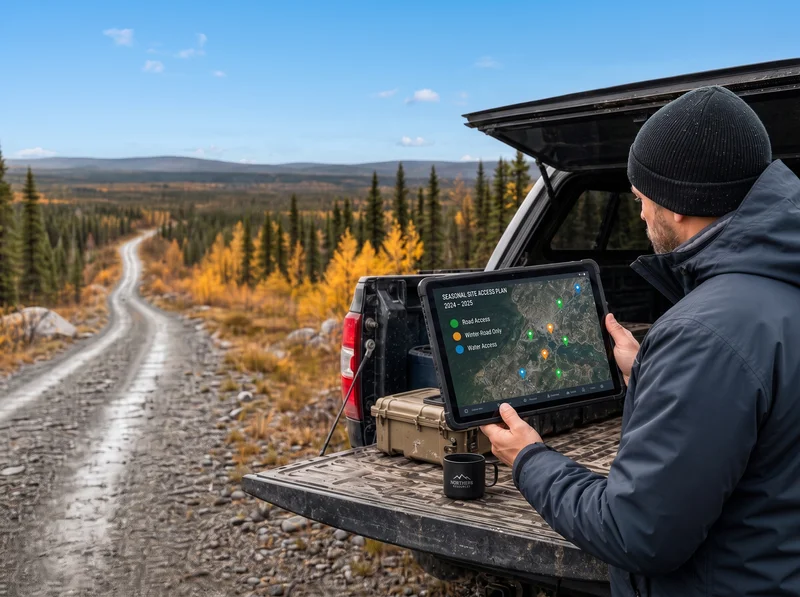
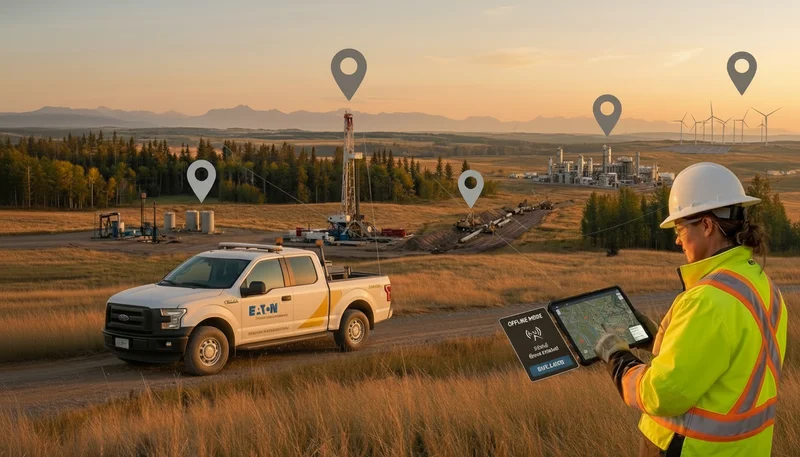
They respect the reality of remote work: poor connectivity, long drives, narrow access windows. Offline capture that syncs later is not a nice to have. It is a recognition of what the job actually is.
They also make status visible without extra reporting. When managers can see job progress and issues in the same system the crew uses to do the work, checking in stops requiring extra emails and calls. That alone reduces the communication overhead that contributes to burnout when people feel like they are constantly explaining the same thing twice.
If your current field systems do not offer that, the immediate risk is not that your next technician will quit tomorrow. The risk is that the next recruiter call they take will sound better than it should when the recruiter describes tools that “just work”.
Ready to Make Your Field Systems a Reason to Stay, Not a Reason to Leave?
If you suspect your tools are quietly part of your turnover problem, the fix is not another morale initiative. It is designing systems that make good field work feel easier, not harder.
Matidor’s field operations platform connects site maps, job details, field notes, photos, and status tracking in one GIS native system that crews actually use, because it removes the need for paper, manual spreadsheets, and after hours admin.
For environmental and oil and gas teams trying to keep their best technicians from becoming someone else’s best hire:
- Book a demo to see how consolidated field workflows feel from a technician’s perspective, not just a manager’s dashboard.
- Start a free 14-day trial and run your next project with tools designed to reduce friction instead of adding it.
*This perspective is informed by research on field service management and the impact of digital tools on retention and job satisfaction.
.webp)
.webp)
.webp)
.webp)
.webp)
.webp)
.webp)
.webp)
.webp)
.webp)
.webp)
.webp)
.webp)
.webp)
%20(2).webp)
.webp)
.webp)
.webp)
















.webp)

.webp)

.jpg)


%20(1).webp)




.jpg)

.jpg)
.jpg)
.jpg)

.jpg)