
Why chain of custody still runs on paper in 2026
Every environmental sample collected in the field needs a documented, unbroken chain of custody from the moment it leaves the ground to the moment a lab technician opens the container. This is not a formality. It is the legal foundation that makes a lab result defensible in a regulatory filing, a litigation proceeding, or a due diligence report.
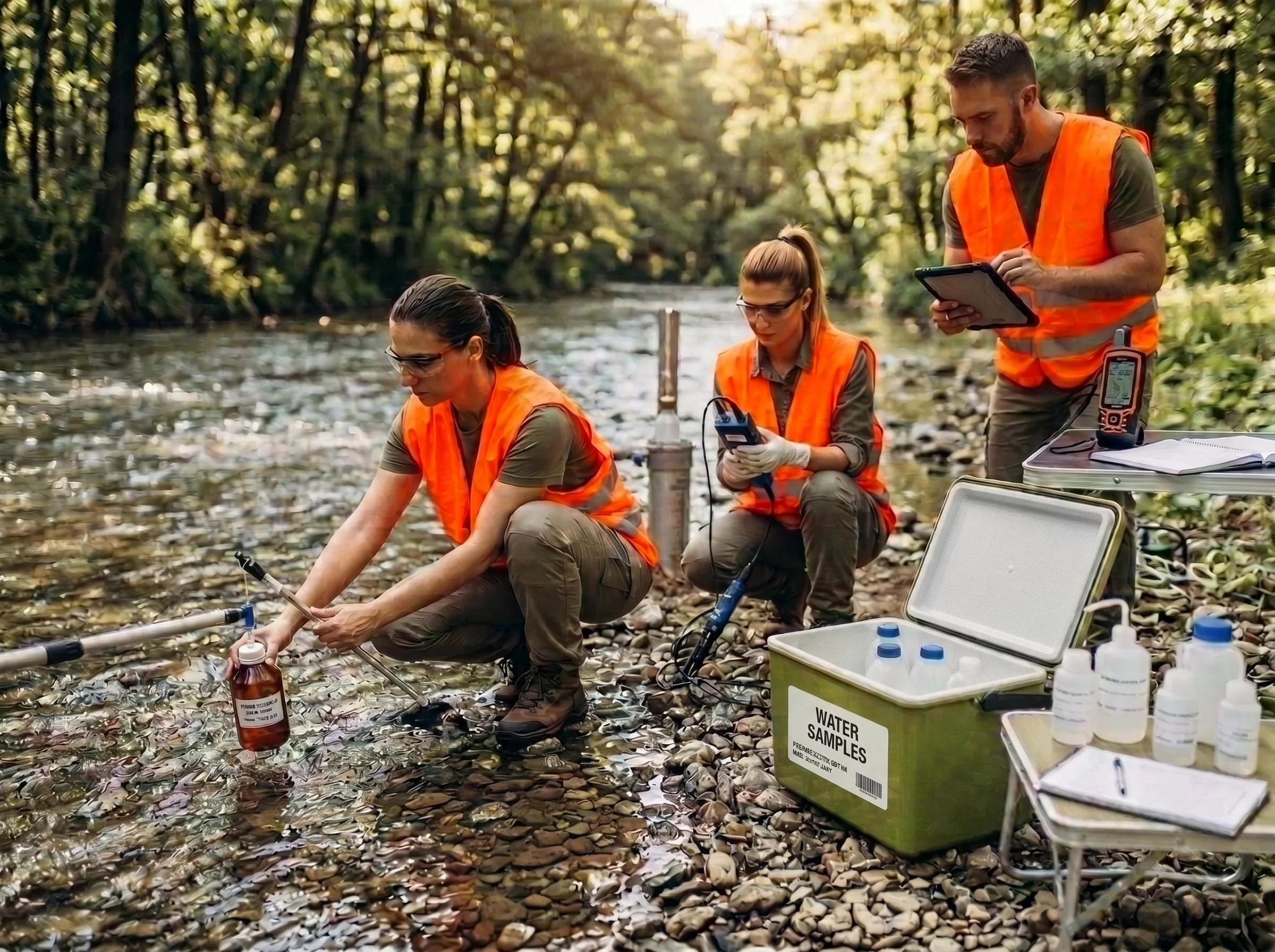
Despite this, most field teams still fill out chain of custody forms by hand on a clipboard, in the rain, in a truck bed, or balanced on a knee at a monitoring well. The form travels with the cooler to the lab, gets re-entered into the lab's system by a technician who cannot read the handwriting, and by the time a discrepancy surfaces, the sampling crew has moved to the next site and cannot recall which cooler it was.
This gap between how samples are actually collected and how custody is documented is one of the most persistent operational weak points in environmental consulting. It is also one of the easiest to fix once a firm understands what a digital chain of custody workflow actually needs to do.
What a chain of custody record legally requires
A defensible chain of custody (COC) record has to answer five questions without gaps: who collected the sample, when, where, what condition it was in, and who has handled it since. Regulatory guidance from agencies including the EPA specifies that COC documentation must be continuous, meaning every transfer of a sample from one person or location to another requires a signature and timestamp.
The core elements every COC record needs are:
- Sample identification: unique sample ID, matrix type, and the specific location and depth or elevation where it was collected
- Collection metadata: date, time, collector name, and method used
- Preservation details: container type, preservative added, and required holding time before analysis
- Custody transfers: signature and timestamp for every person who has physical possession of the sample, from field collection through lab receipt
- Analytical request: which tests the lab needs to run and any special handling instructions
When any one of these elements is missing or illegible, a sample result can be challenged or excluded entirely, which is a costly outcome on a project where a regulator or opposing counsel is scrutinizing the data.
Where paper chain of custody breaks down in the field
Illegible handwriting and transcription errors
Paper COC forms filled out in field conditions, wet gloves, cold hands, poor lighting, produce handwriting that even the person who wrote it cannot always read a week later. When lab staff transcribe those forms into their tracking system, transcription errors introduce discrepancies between what was collected and what is recorded, which then requires a phone call back to the field team to resolve.
Lost or damaged forms
A COC form that travels loose in a cooler with ice and sample bottles is exposed to water damage, smearing, and physical loss. When a form is damaged or missing by the time a cooler reaches the lab, the entire custody chain for that batch becomes questionable, regardless of how carefully the samples themselves were handled.
No real-time visibility into sample status
With paper forms, a project manager has no way to confirm that a specific sample was collected, preserved correctly, and shipped on time until someone manually checks in or the lab calls with a question. On a project with dozens of sample points across multiple site visits, this creates blind spots that surface only when something has already gone wrong.
Disconnected from the rest of the field data
Sample collection does not happen in isolation. It happens alongside borehole logs, GPS coordinates, photos, and field observations. When COC documentation lives on a separate paper form instead of inside the same system as the rest of the field data, reconciling sample records with site data during report writing becomes a manual, time-consuming cross-referencing exercise.
What digital chain of custody software needs to do
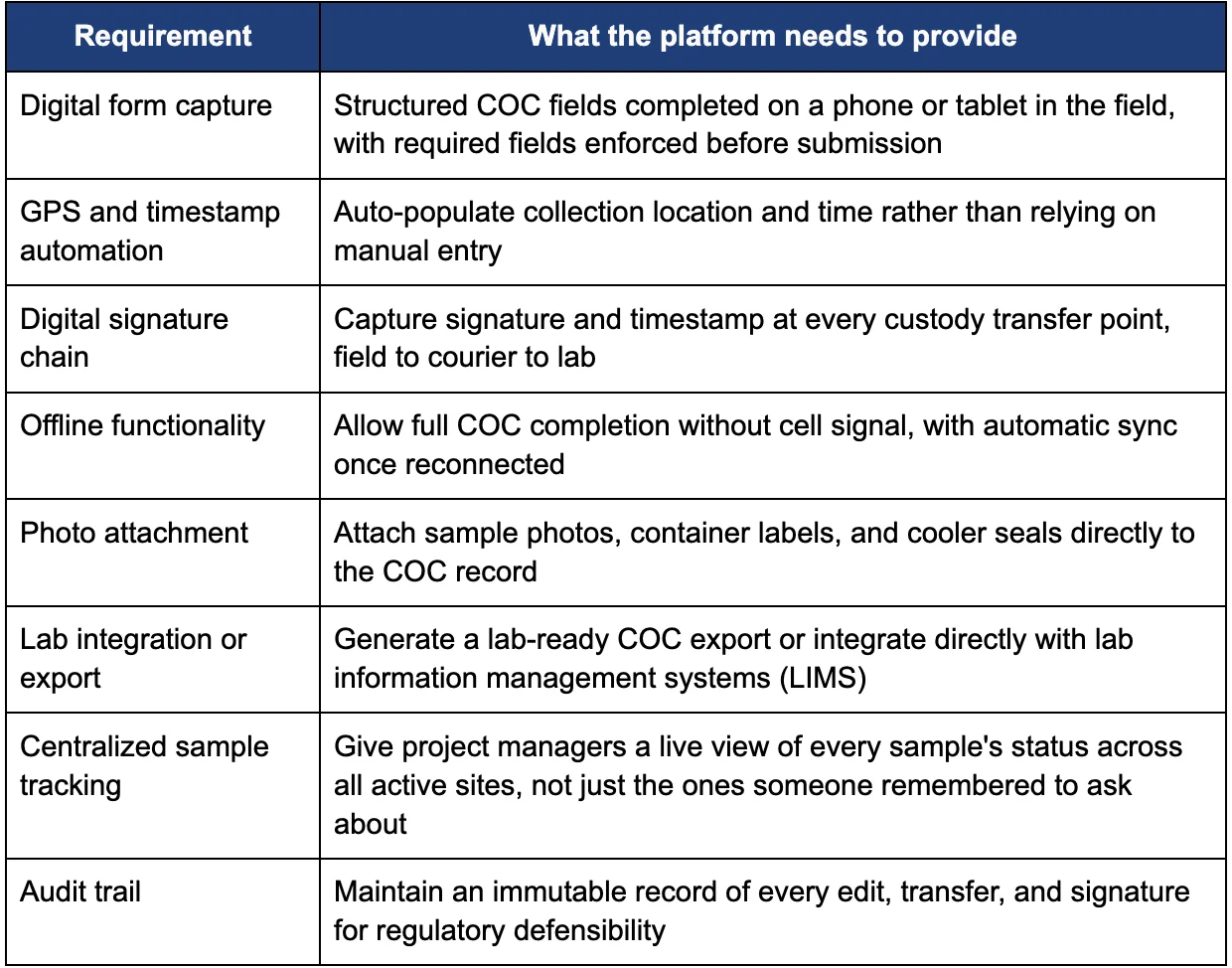
The distinction that matters most is integration. A COC feature that lives inside the same platform as borehole logs, site photos, and GPS data lets a project manager and report writer pull a complete, cross-referenced sample record without switching systems or manually matching paper forms to a spreadsheet.
What changes for field teams and project managers
For field technicians, digital COC means filling out required fields once on a device already in hand, with GPS and timestamp captured automatically instead of estimated. For project managers, it means checking sample status from the office in real time instead of waiting for a lab call. For firm principals, it means every COC record for every project sits in a searchable, audit-ready system rather than a filing cabinet of paper forms that has to be tracked down if a regulator or client requests documentation years later.
The compounding value shows up at report-writing time. When sample data, COC records, and field observations already live in the same system, building the analytical data table and custody documentation for a report is a matter of exporting existing records rather than reconstructing them from paper.
Frequently Asked Questions
What is chain of custody in environmental sampling?
Chain of custody is the documented, unbroken record of who collected a sample, when, where, and who has had physical possession of it from field collection through laboratory analysis. It establishes that a sample has not been tampered with or misidentified, which is required for the analytical result to be considered legally and scientifically defensible.
Why do environmental consulting firms still use paper chain of custody forms?
Many firms have not adopted digital field data tools broadly, and COC documentation is often treated as a lab intake formality rather than a field operations workflow. Paper persists because it requires no new tools, but it introduces handwriting, transcription, and lost-form risks that digital capture eliminates.
Can chain of custody software work without cell signal in the field?
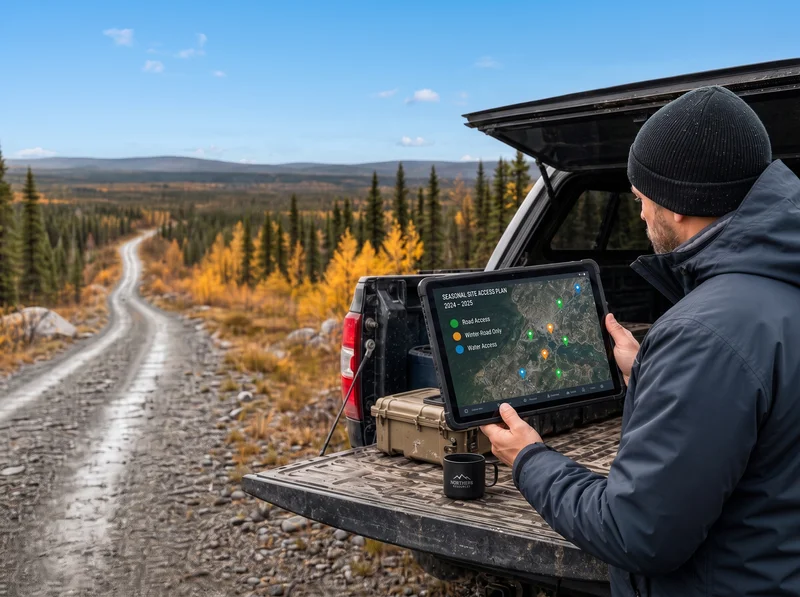
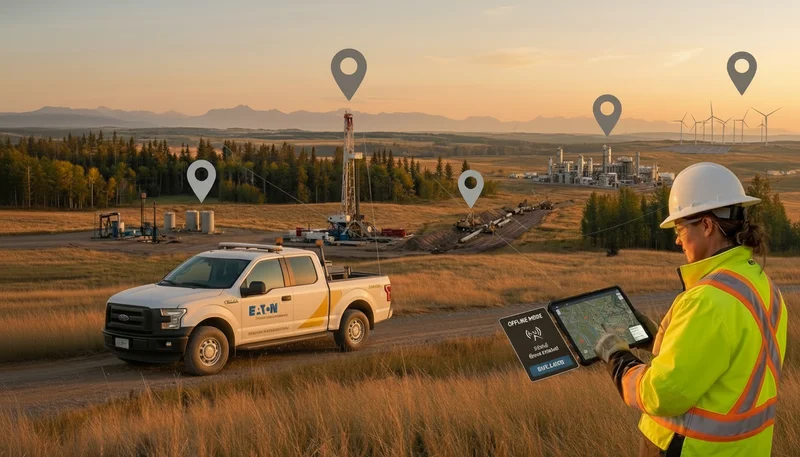
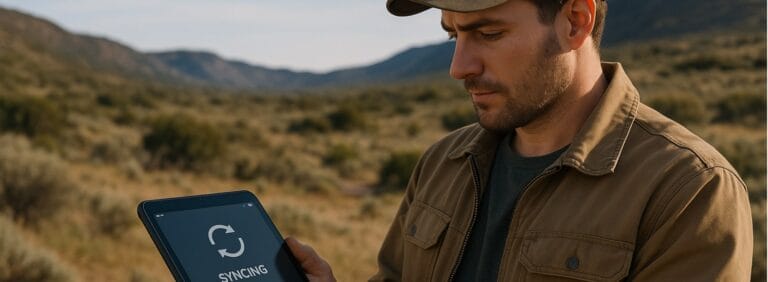
Yes, if the platform is built with offline-first functionality. Field technicians should be able to complete a full COC record, including signatures and photos, without connectivity, with the record syncing automatically once the device reconnects. This is essential for remote environmental sampling sites where cell coverage is unreliable.
Does chain of custody software integrate with lab systems?
Leading field operations platforms support either a direct export formatted for lab intake or a direct integration with laboratory information management systems (LIMS), which removes the manual re-entry step that introduces transcription errors on the lab side.
What is the cost of a broken chain of custody?
A COC record with a gap, illegible entry, or missing signature can result in a sample being flagged, disputed, or excluded from an analytical report. On a regulatory or litigation-driven project, this can mean re-sampling an entire site, which carries the full mobilization, labor, and lab cost of the original sampling event a second time.
Ready to Digitize Your Chain of Custody?
For environmental consulting teams managing sampling programs across multiple sites, Matidor's field operations and environmental services solutions bring chain of custody documentation into the same platform as GPS-tagged field data, photos, and site records, with full offline capture and real-time sample status visibility.
Additional reading: GIS Project Management for Environmental Consultants: A Practical Guide and Vegetation Monitoring for Oil and Gas Sites: A 2026 Field Operations Guide.
- Heading to RemTech in Banff? Our RemTech 2026 Banff guide includes questions to ask sampling and remediation technology vendors.
- Start a free 14-day trial and digitize your first chain of custody workflow in under a day
- Book a demo to see offline COC capture, digital signature chains, and lab export configured for your sampling programs
.webp)
.webp)
.webp)
.webp)
.webp)
.webp)
.webp)
.webp)
.webp)
.webp)
.webp)
.webp)
.webp)
.webp)
.webp)
%20(2).webp)
.webp)
.webp)
.webp)
















.webp)

.webp)

.jpg)

%20(1).webp)




.jpg)

.jpg)
.jpg)
.jpg)

.jpg)