
Preparing for environmental liability insurance should start with a clear picture of each site: what happens there, what happened previously, what environmental investigations have found and what remains unresolved.
For operators and environmental managers, a practical starting point is to organize site history, assessments, monitoring records, materials and storage information, remediation updates, and incident history. Confirm the exact information and supporting documents needed with your insurance broker.
The challenge is not simply having environmental reports. It is connecting each answer to the right evidence.
An assessment might use an old property name. Monitoring results might sit with a previous consultant. A project dashboard might say “complete” without explaining whether that means fieldwork finished, technical review completed or a regulatory decision received.
This guide provides a practical way to organize site-level evidence before an application or renewal. It focuses on premises-based environmental liability insurance rather than every type of environmental insurance policy.
What Site Information Should You Organize?
Start with your broker’s application and document request. Then use the following checklist to identify relevant records, check their status and assign responsibility for missing information.

Treat this as an internal organizing tool. Do not assume that every record must be submitted or that every site needs a new investigation. Confirm the scope with your broker before commissioning additional work.
Why Do Current Records Matter?
A useful preparation question is not simply, “Do we have a report?”
Ask instead: “Does this report support the answer being given about this site today?”
For each relevant document, check:
- When the investigation or inspection occurred
- Which property, area or activity it covered
- Whether operations have changed since then
- Whether recommendations remain open
- Whether a later document updates its findings
- Who can explain its scope and limitations
Do not automatically discard older reports. Identify their role in the site history and distinguish that historical information from more recent findings.
For example, retain the original assessment alongside later investigations, remediation records and monitoring updates. Make the sequence easy to follow rather than expecting a reviewer to reconstruct it from filenames.
The aim is a clear account of what is known, when it became known and what happened next.
What Makes Site Evidence Difficult to Evaluate?
Use an internal review to look for gaps between the application’s answers and the documents behind them.
Inconsistent Site Identifiers
Check whether the application, consultant report, map and internal register use the same site name or identifier.
Where names have changed, add a cross-reference. Keep a stable internal site ID so colleagues can connect older documents to the current location.
Unclear Dates and Versions
Separate the date of the fieldwork from the report date and the upload date.
Also distinguish drafts from issued reports. If an updated report replaces an earlier version, make that relationship visible without losing the historical record.
Ambiguous Completion Status
Avoid using “complete” without explaining the milestone.
Instead, distinguish between:
- Fieldwork completed
- Laboratory results received
- Technical interpretation completed
- Remediation work completed
- Monitoring continuing
- Regulatory correspondence received
- Further action pending
Choose the status supported by the evidence. Have the technical reviewer confirm wording that describes environmental conditions or conclusions.
Missing Ownership
For every unresolved record or question, assign a person and a next action.
“Monitoring report missing” identifies a problem. “Environmental manager to obtain the issued monitoring report from the consultant” creates a follow-up task.
For a broader review of evidence and outstanding work, use the year-end environmental reporting checklist.
What Should Operators Organize Before Renewal?
Use the renewal process to review the information behind the application, not just the application itself.
Confirm the Submission Scope
Ask your broker which locations, entities and activities are included.
Clarify the required attachments, relevant reporting periods and submission timetable. Ask how changes should be communicated if new information becomes available while the application is being considered.
Build a Site-Document Register
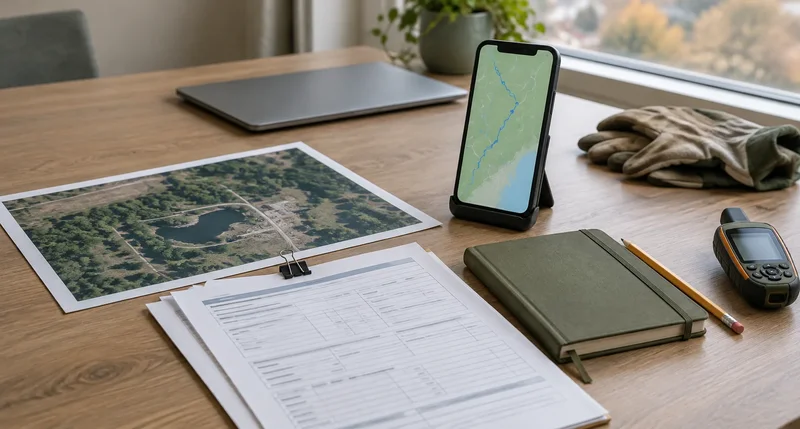
Create a simple index that connects each relevant document to its location.
Include the site ID, document title, author, report date, version, review status, storage link and responsible person.
Add a short scope note where needed. For example, identify whether a report covers the whole property, one operating area or a specific investigation.
The index should help someone find and understand the original record. It should not replace the report or its technical limitations.
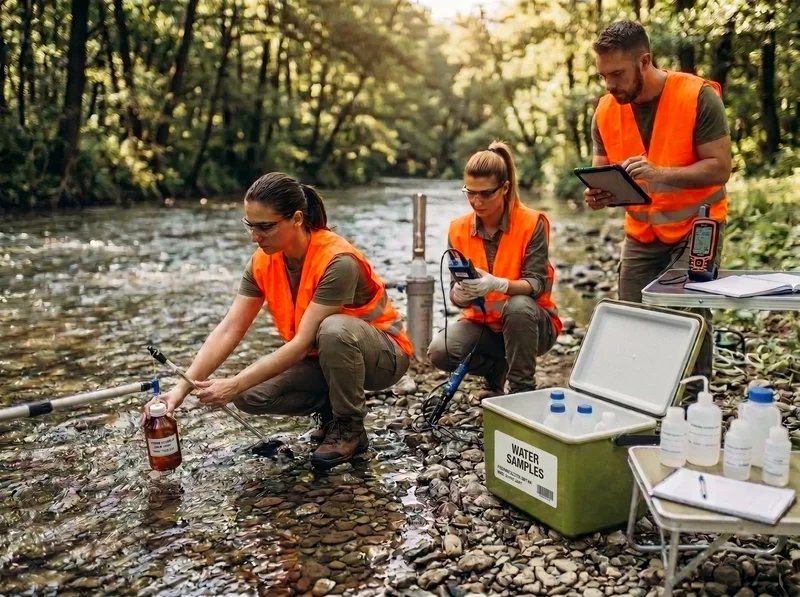
Review Changes Since the Last Submission
Prepare a change log for internal review.
Consider acquisitions, ownership or tenant changes, new processes, changes to materials or storage, new findings, incidents and remediation activity.
Keep completed changes separate from proposed work. Ask your broker which updates need to be included and how they should be presented.
Explain Information Gaps
Do not turn an unknown condition into an unsupported “no.”
If a record is missing, identify what is unavailable, what has been checked and who is following up. Discuss the appropriate application response with your broker and environmental adviser.
The objective is an accurate explanation, not an appearance of certainty.
Retain the Submitted Package
Before the authorized applicant signs, arrange the appropriate environmental, operational and insurance review.
Retain the application, attachments and subsequent updates under your document-control procedures. Record what was shared and when so the team has a consistent reference for future questions.
How Should You Describe Open Work?
Consider a hypothetical site where excavation has finished, but the consultant has not finalized the interpretation of verification results.
An internal status note could read:
Excavation completed. Verification results received. Technical interpretation pending. Consultant follow-up assigned.
This separates the activity performed from the conclusion still outstanding.
Avoid replacing that explanation with “site closed” unless the responsible professionals have confirmed that the wording is appropriate.
Use the same approach for monitoring, tank removal, waste disposal and other activities: state the milestone supported by the record, identify what remains open and assign the next action.
This example is for internal coordination, not wording to copy automatically into an insurance application.
Common Questions
Is a New Environmental Assessment Required?
Do not assume that a general checklist determines the answer.
Ask your broker whether existing assessments are suitable for the proposed submission, whether additional information is needed and whether a new or updated assessment is required.
Provide the report’s date, scope and known changes so the discussion is based on the actual site.
What If Historical Records Are Missing?
Document the gap rather than filling it with assumptions.
Identify the records available, the periods they cover and the steps taken to locate missing information. Ask your broker and environmental professional how to explain the uncertainty and whether further work is appropriate.
Does Completed Remediation Guarantee Coverage?
Do not treat a remediation milestone as an insurance decision.
Ask your broker to explain the proposed coverage, exclusions, conditions and any treatment of known site issues. Keep environmental project status separate from conclusions about what a policy will cover.
Can a Map Replace Supporting Reports?
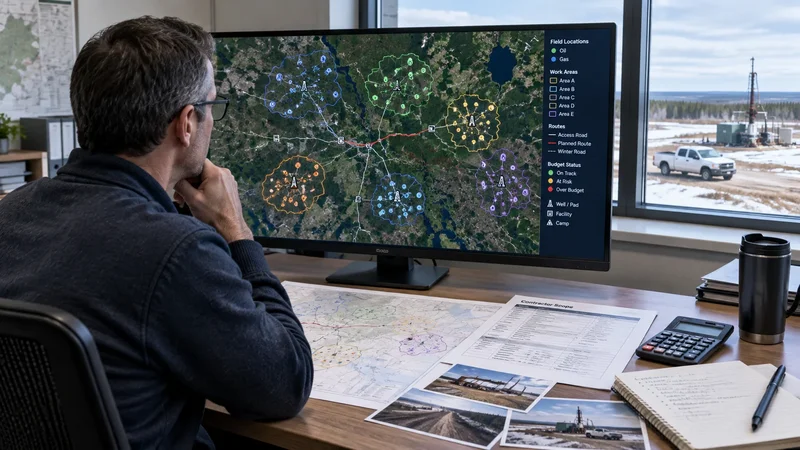
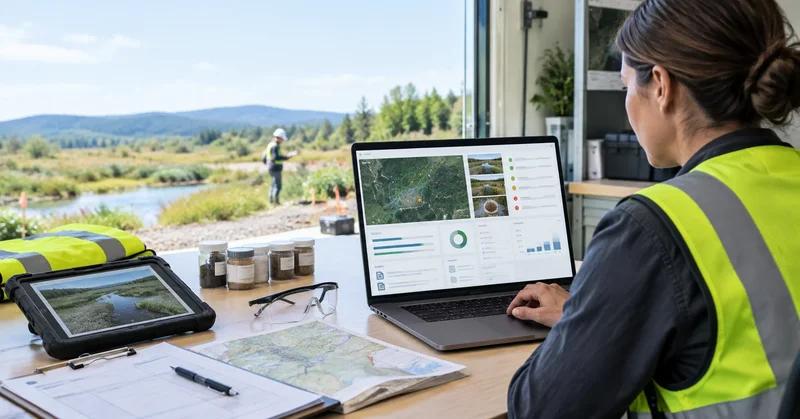
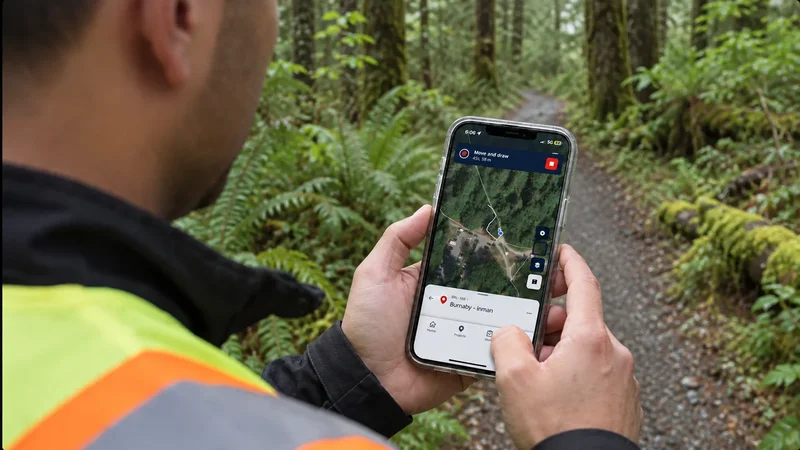
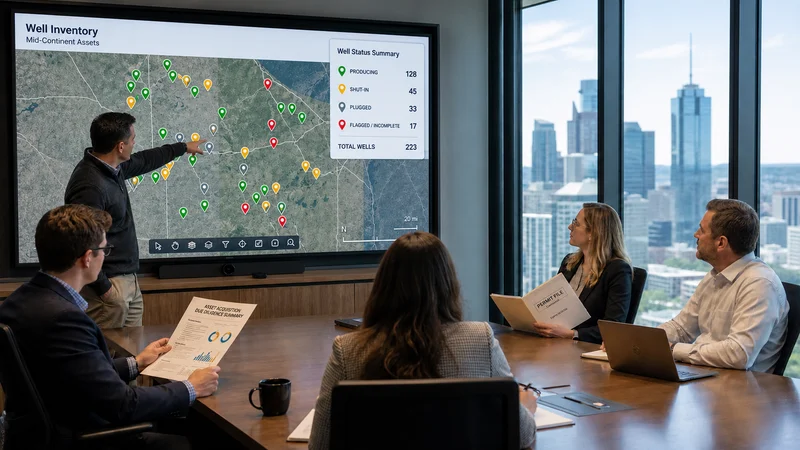
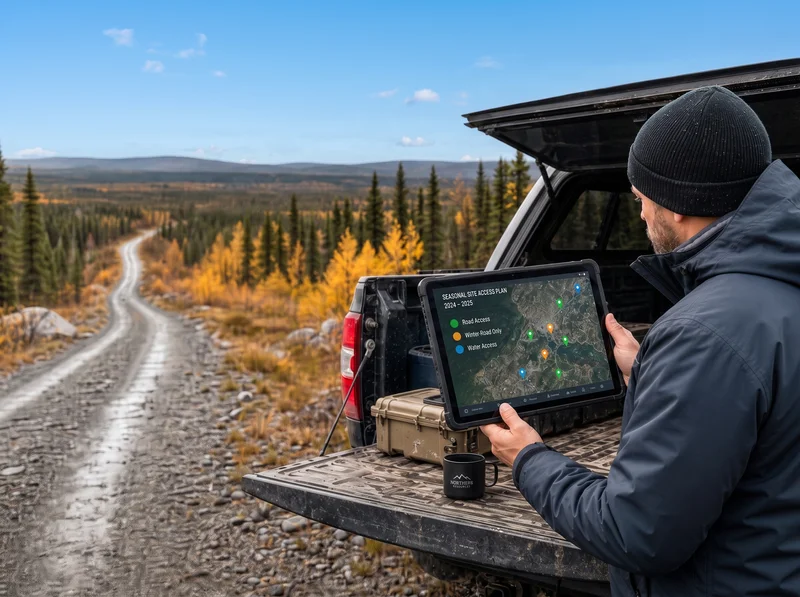
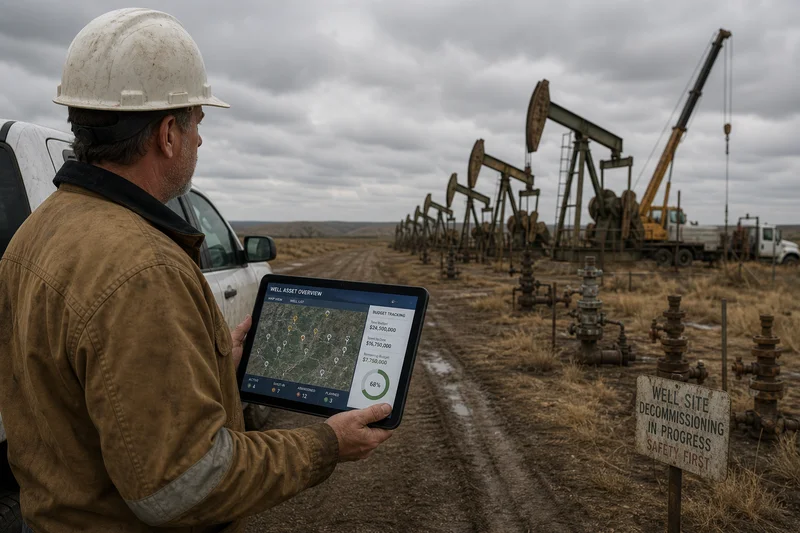
Use a map as a way to locate and connect records, not as a substitute for their findings.
Link the relevant reports and identify the purpose and accuracy limitations of the mapping. Do not present an operational site pin as a surveyed boundary or a complete delineation of contamination.
Keep Each Site’s Evidence Connected
Start with one location before expanding the process across your portfolio.
Can a colleague find the relevant assessment, explain its date and scope, identify an open issue and name the person responsible for the next step?
If not, use that site to improve the document register, naming conventions and review process before the next application or renewal.
Want to explore a map-based approach to organizing site information? See Matidor’s environmental project workspace or book a demo to discuss your workflow.
Explore the free 14-day trial. No credit card required.
This article provides general information about organizing environmental records. It is not insurance, legal or technical advice. Confirm application requirements and coverage questions with a licensed insurance broker, and obtain technical advice from an appropriately qualified environmental professional.