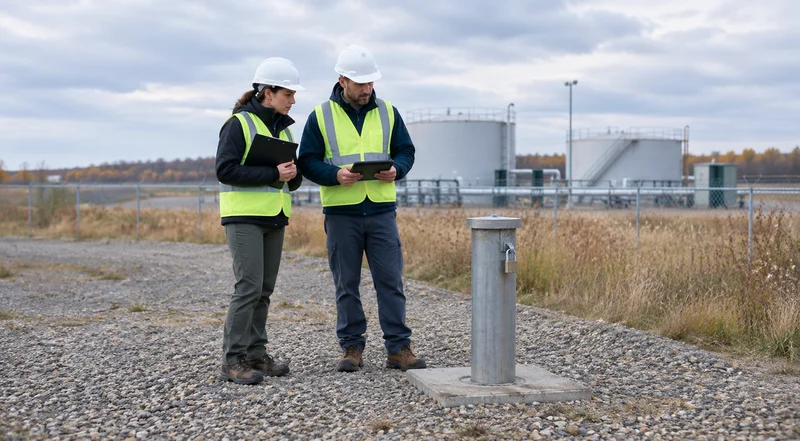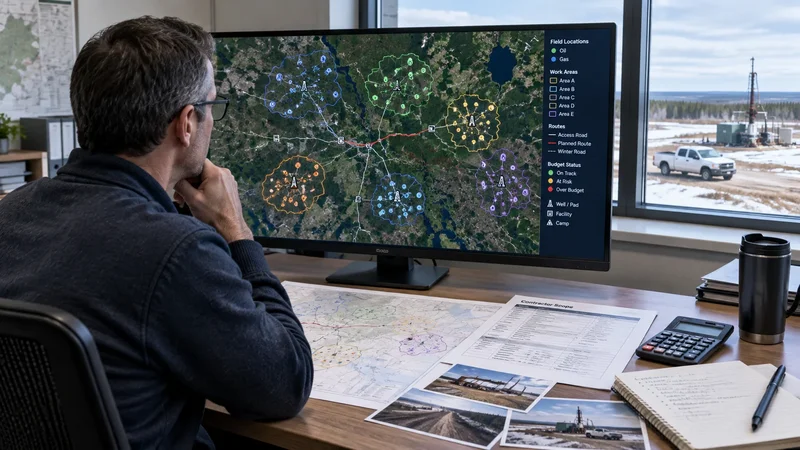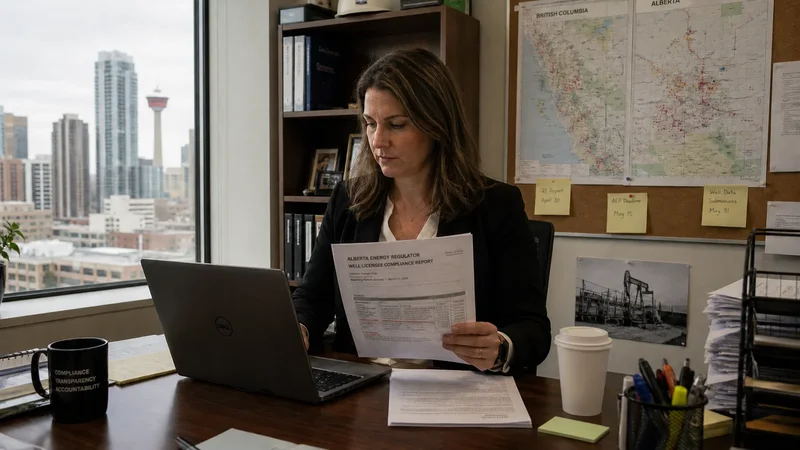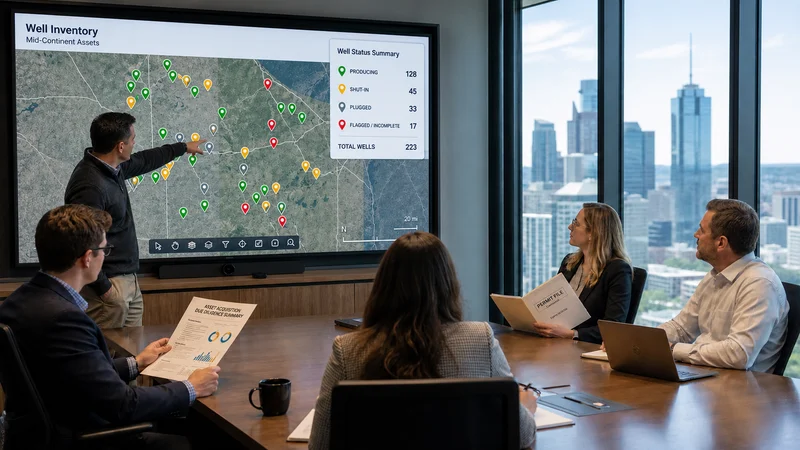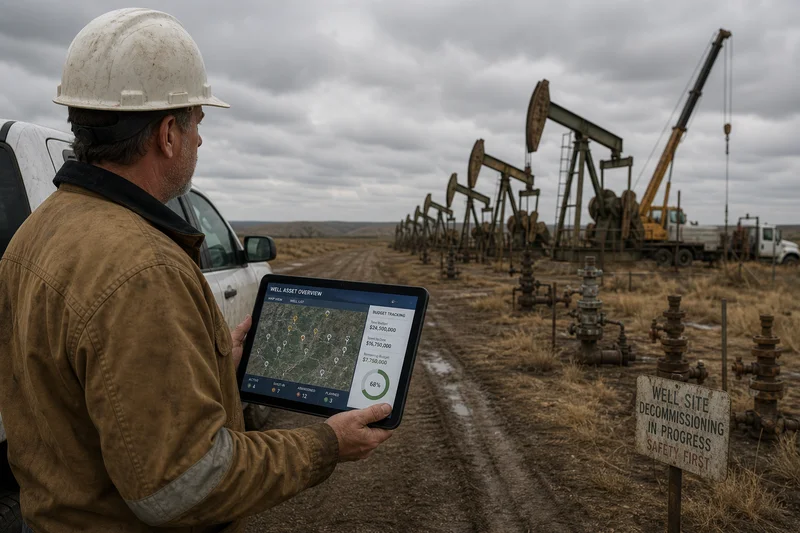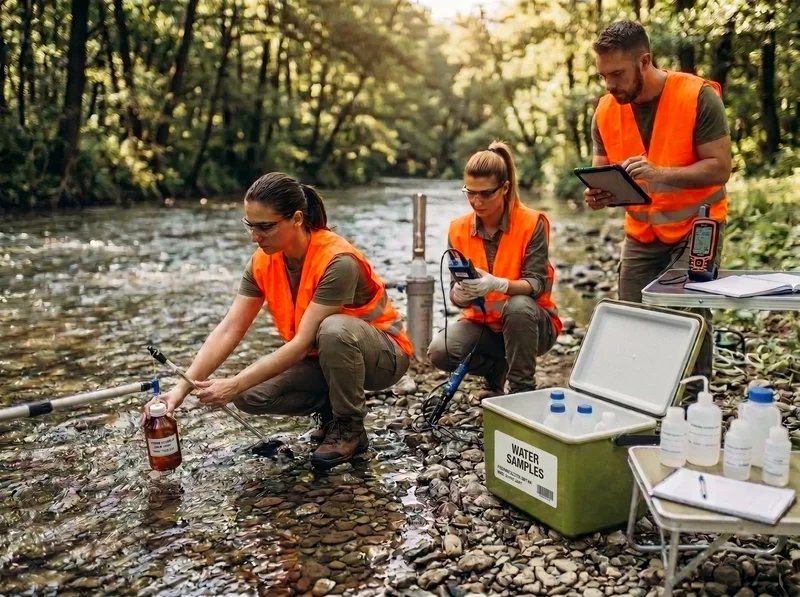

Your 2026 field program should hand the 2027 budget seven things: actual costs by site and cost code, a record of what scope was finished and what carried over, the current status of every site, unit costs from real field work, a log of what changed and why, the obligations and deadlines that roll into next year, and the field records that back it all up. When those arrive complete and in one place, next year's budget is built on evidence instead of last year's number plus a percentage.
This guide is for environmental consultants, field services project managers, and operators running remediation, abandonment, reclamation, monitoring, or inspection programs. It walks through each handover item, what "complete" looks like, and a closeout checklist you can use before crews demobilize for winter.
Why the field-to-budget handover matters
Most field budgets are not set by the people who run the field season. They are set weeks or months later, often by a manager, an owner, or a finance lead working from whatever records survived the year.
That gap is where good programs lose ground. Crews move to other projects. Contractors finish their contracts. Scope changes that were agreed on site or by email never make it into the project record. By budget season, the team is reconstructing the year from memory, invoices, and spreadsheets that do not agree with each other.
The result is a 2027 budget that repeats 2026 assumptions, underestimates carryover work, or misses costs that only the field team knew about. A deliberate handover closes that gap while the details are still fresh.
The seven things your field program must hand over
1. Actual costs by site and cost code
Start with what was actually spent, broken down the same way you plan to budget next year.
A useful cost handover includes:
- Budgeted versus actual spend for each site or project, by cost code
- Costs incurred but not yet invoiced, so they are not missed or double counted
- Vendor and contractor costs tied to the site and work they relate to
- Notes on any cost that was unusual, one-time, or unlikely to repeat
If your 2026 cost codes were inconsistent across projects, fix the structure now. A 2027 budget built on the same cost codes you track against makes every future comparison easier.
2. A scope register: done, partial, deferred, not started
The most common budgeting error after a field season is assuming planned work was completed. Before anyone builds a new budget, record the true status of every planned scope item.
For each site or work package, capture:
- Complete: the work is done and any required review or approval is closed
- Partial: what was finished, what remains, and what it will take to finish
- Deferred: why it moved (access, weather, landowner timing, contractor availability, regulatory timing) and whether the reason still applies
- Not started: whether it is still required in 2027
Carryover scope is the real 2027 cost. If it is not in the register, it is usually not in the budget.
3. Current status of every site
Budgets are easier to defend when they start from a clear picture of where each site stands. That status should be tied to the site's location, not buried in a file name.
Depending on your program, site status might describe:
- Lifecycle stage, for example assessment, remediation underway, reclamation, monitoring, or ready for closure work
- Recommended next steps from the last site visit or report
- Known access constraints, seasonal windows, or safety notes
- Open issues found in the field that have not yet been scoped
When site status is current and mapped, planners can group nearby sites, sequence work by season, and spot sites that have stalled.
4. Unit costs and productivity from real field work
Your own completed work is the best estimating data you have. Capture it before it disappears into totals.
Useful unit measures vary by program, but often include:
- Cost per site visit or inspection
- Cost per sample, borehole, or monitoring event
- Crew days per site for common work types
- Mobilization and travel costs for remote or seasonal sites
These numbers only help if they are traceable. Note where each unit cost came from and any conditions that made it higher or lower than normal.
5. A variance and change log
Every program has budget variances. The 2027 budget needs to know why they happened, not just that they happened.
For each meaningful variance, record:
- What changed (scope, quantity, rate, schedule, or method)
- Why it changed (site conditions, access, weather, findings, client or regulatory direction)
- Who approved it and when
- Whether the same risk applies to next year's work
A clear change log turns variance from a surprise into a planning input. It also helps a budget owner separate one-time events from patterns that need contingency.
6. Obligations and deadlines that roll into 2027
Some of next year's work is not optional. Make it visible before discretionary scope competes for the same budget.
List anything that carries a commitment into 2027, such as:
- Regulatory submissions, follow-up assessments, or monitoring commitments
- Landowner or stakeholder commitments made during the season
- Contractual deliverables or client reporting dates
- Any spend or activity targets your organization has committed to
Confirm the specific requirements that apply to your sites with your regulatory, legal, or compliance team. The handover's job is to make sure none of them are forgotten when the budget is set.
7. Field records that back it all up
Costs, status, and scope claims are only as credible as the records behind them. A finished field program should leave an organized record set, not a scattered one.
That usually means:
- Inspection forms, field notes, and checklists, reviewed and closed
- Photos tied to the site, date, and work item they document
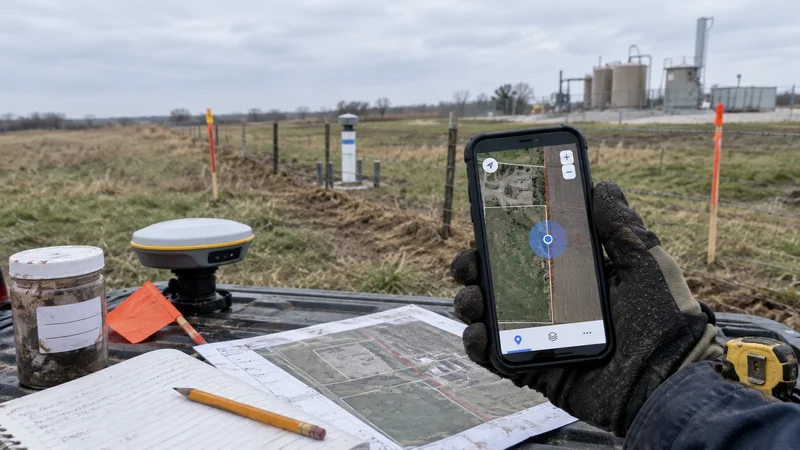
- Sample, drawing, and survey locations in a usable map format
- Reports and approvals stored with the project they belong to
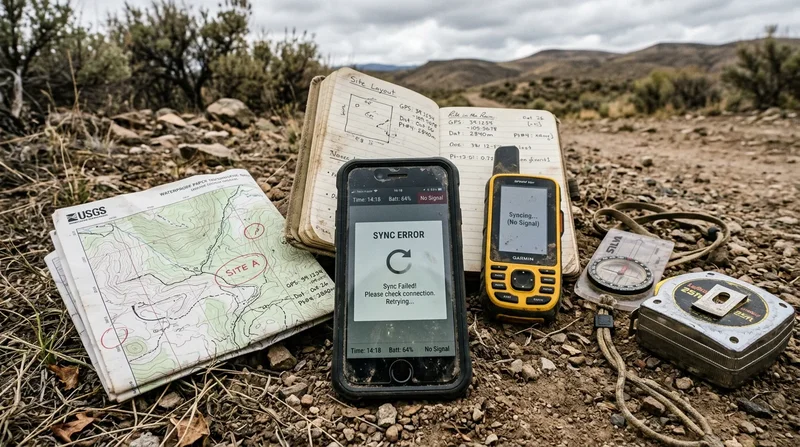
If a record lives only on someone's phone, laptop, or inbox, it is not part of the handover yet.
Hypothetical example: a small remediation program at closeout
The following is a hypothetical example for illustration only. It does not describe a real company, project, or result.
A consulting team runs a 2026 program across a group of remediation sites. By November, the field lead believes most planned work is done. During the closeout review, the team builds a scope register and finds that several sites were only partly completed because of late access, and two sites have new findings that were discussed on site but never scoped.
Without the register, the 2027 budget would have covered only the new sites planned for next year. With it, the team adds the carryover work, prices it using unit costs from similar 2026 site visits, and notes the access risk so the schedule allows an earlier start. The budget conversation shifts from "why did we need more?" to "here is what remains, where it is, and what it cost us last time."
A practical closeout timeline
You do not need a complex process. You need the right steps in the right order.
Before crews demobilize
- Close or update every open work item, form, and inspection
- Collect field photos, notes, and drawings into the project record
- Capture site status and open issues while the field team is still available
In the first weeks after the season
- Reconcile actual costs by site and cost code, including costs not yet invoiced
- Build the scope register and the variance and change log
- Pull unit costs from completed work
Before the 2027 budget is drafted
- List carryover scope, obligations, and deadlines
- Review the handover package with the field lead and the budget owner together
- Agree on the cost code structure and site list for 2027
Field program closeout checklist
Use this as a quick check before you call the 2026 program closed.
- Budget versus actual by site and cost code is reconciled
- Costs incurred but not yet invoiced are recorded
- Every planned scope item is marked complete, partial, deferred, or not started
- Deferred and partial scope has a reason and an estimate to finish
- Each site has a current status, location, and recommended next step
- Unit costs from 2026 work are captured with their conditions noted
- Every meaningful variance has a cause and an approval record
- 2027 obligations and deadlines are listed and confirmed
- Field records are reviewed, organized, and stored with the right project
- The field lead and budget owner have reviewed the package together
For the reporting side of year end, see the year-end environmental reporting checklist. For building the budget itself, see how to build a 2027 field program budget.
Where field data platforms fit
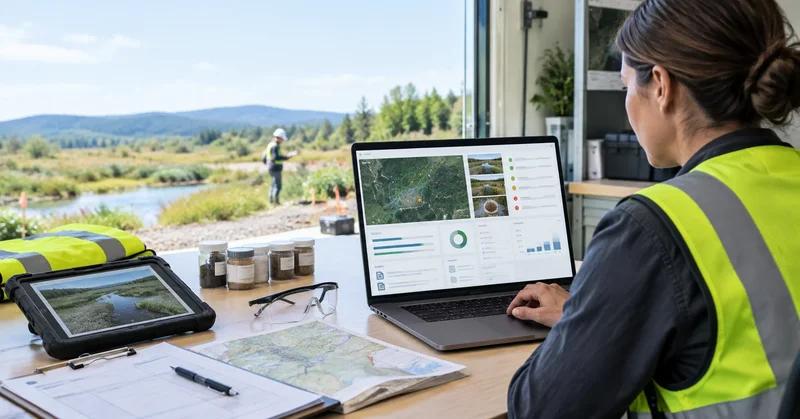
Much of the handover gets harder when costs, field records, and site status live in separate tools. Spreadsheets, shared drives, and email can work for a few sites, but they make it difficult to answer simple questions at year end, such as which sites still have open work or how spend compares to budget across the whole program.
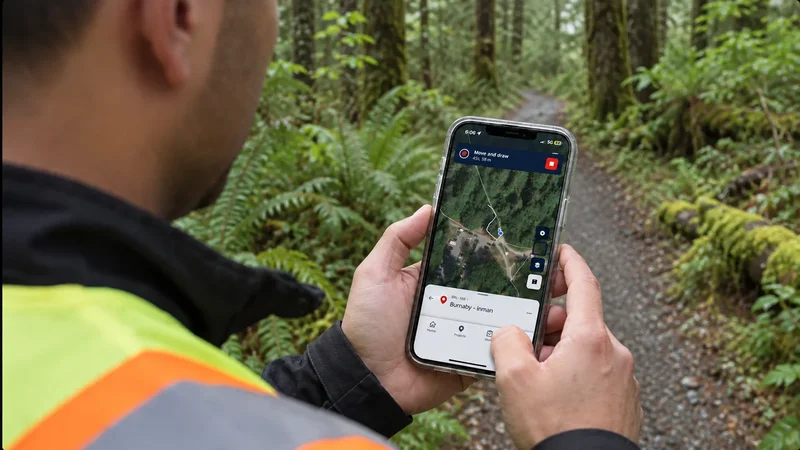
Matidor is a map-based project, portfolio, and field-work management platform built for teams that run work across many sites. In Matidor, each project sits on a live map, budgets are built from cost codes, and costs are logged against them. The team receives email alerts as costs reach 70%, 90%, and 100% of a budget. Field crews use the Matidor Go mobile app to capture work items, photos, and files, including offline, with changes syncing once they are back online. Portfolios group projects with summary information such as overall work progress and budget used, and budget and cost summaries can be exported as PDF reports for review.
To see how operators use this kind of visibility in practice, read how Karve Energy manages its remediation budgets within 1% and how Rife Resources secured 50% more budget for site closure.
If you are planning your 2027 program now, you can compare Matidor plans or start a 14-day free trial with no credit card required.
Frequently asked questions
What should a field program closeout include?
A field program closeout should include actual costs by site and cost code, the status of every planned scope item, current site status, unit costs from completed work, a log of variances and changes, obligations that carry into the next year, and organized field records that support each of those items.
How do you budget for carryover field work?
Start with a scope register that marks each planned item as complete, partial, deferred, or not started. For partial and deferred work, record the reason and estimate the cost to finish using unit costs from similar completed work. Then add carryover scope to the new budget before discretionary work.
When should the field-to-budget handover happen?
Begin before crews demobilize, while field staff can still confirm site status and close open records. Finish cost reconciliation, the scope register, and the change log in the weeks after the season, before the next year's budget is drafted.
Why use the same cost codes for budgets and actual costs?
When budgets and actual costs use the same cost codes, you can compare planned and actual spend directly, reuse unit costs in estimates, and explain variances by category. Inconsistent cost codes make year-over-year comparisons slow and unreliable.
Who should review the field program handover?
At a minimum, the field lead who ran the work and the person who owns the next year's budget should review it together. Depending on the program, regulatory, finance, or client representatives may also need to confirm obligations, costs, or deliverables.